Best Time of Year to Paint a House in Wellington
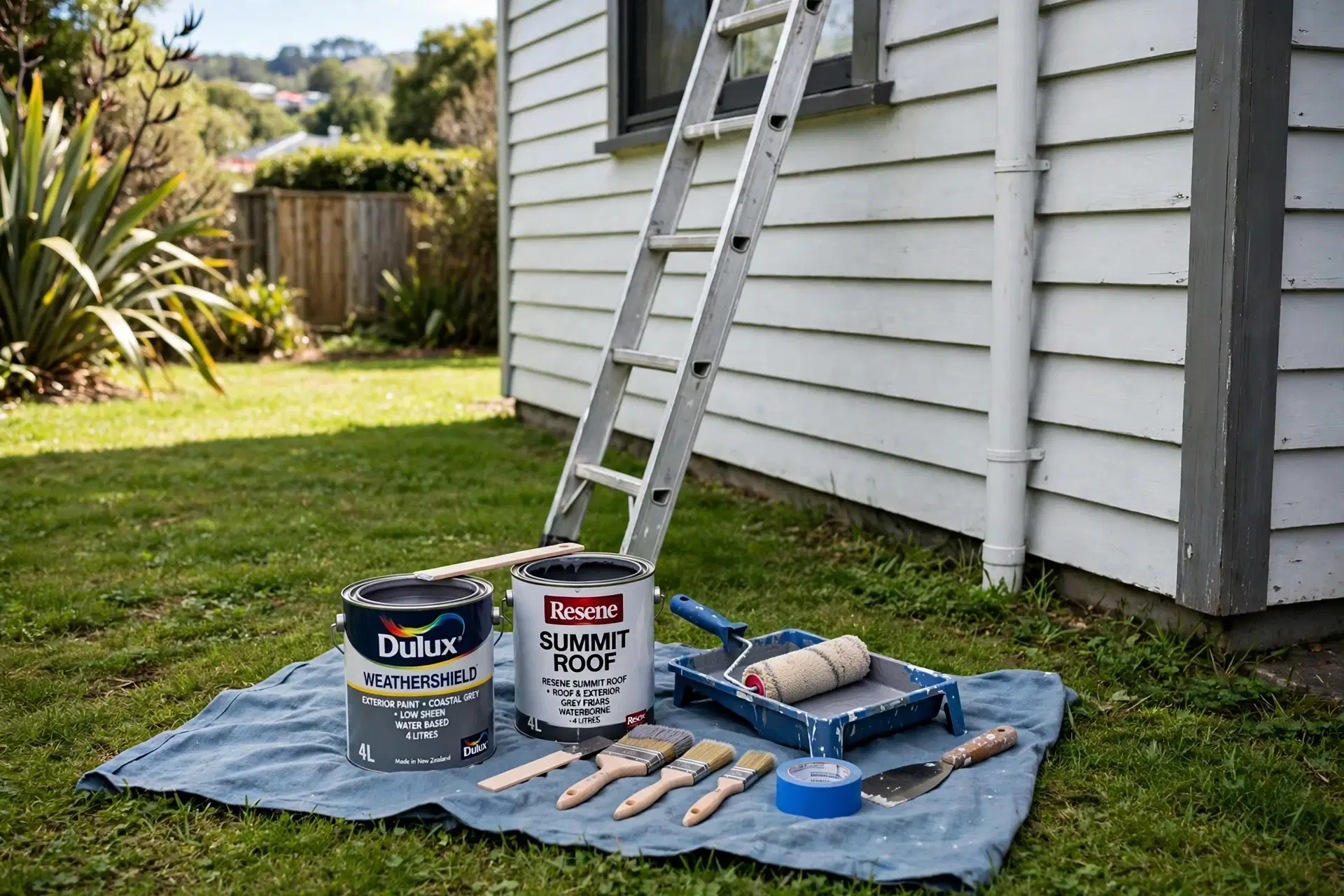
Picking the right time to paint your house sounds simple. Then you remember Wellington weather. One minute it is sunny. The next minute the wind is rattling your ladder and rain is on the way.
The best time to paint the outside of a house in Wellington is usually late summer to early autumn, from about February to April. Rain and wind are lowest then. Painting inside can happen any time of year. Winter works well if your home is warm and fresh air is moving through.
Timing matters because paint needs the right conditions to dry into a tough, long-lasting skin. Paint a wall on a cold, damp, or windy day and problems often show up later. You might see bubbles, sticky patches, white streaks, or paint that peels within a year or two.
This guide covers the best months for outside and inside painting, the weather you need, and simple tests painters use. You will also find tips for painting in winter and for booking a painter.
Key Takeaways
- Outside painting is seasonal. The best months in Wellington are about February to April, when rain and wind are lowest.
- Inside painting is flexible. You can paint inside all year, as long as the house is warm and fresh air is moving through.
- Weather beats the calendar. A calm, dry day in any month is better than a windy, damp day in the “best” month.
- Spring is windy. Many NZ guides recommend spring, but it is the windiest season in the Wellington region.
What Is the Best Time of Year to Paint a House in Wellington?
The answer depends on where you are painting. Outside walls face the weather. Inside walls do not. So each job has a different best time.
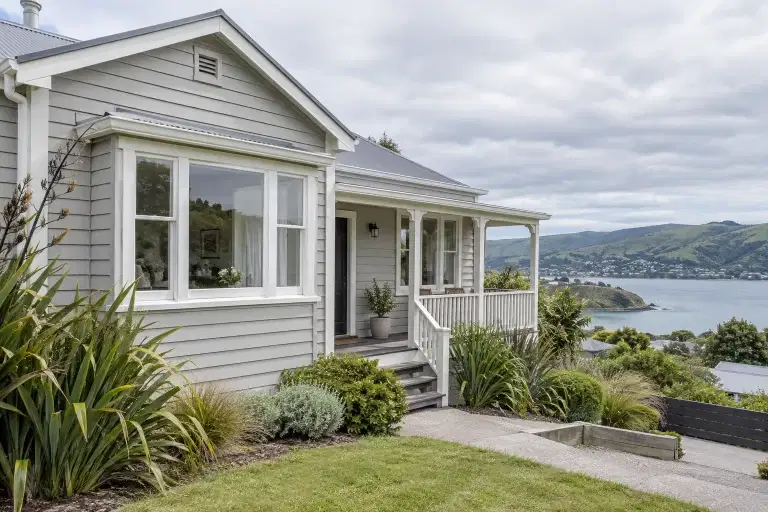
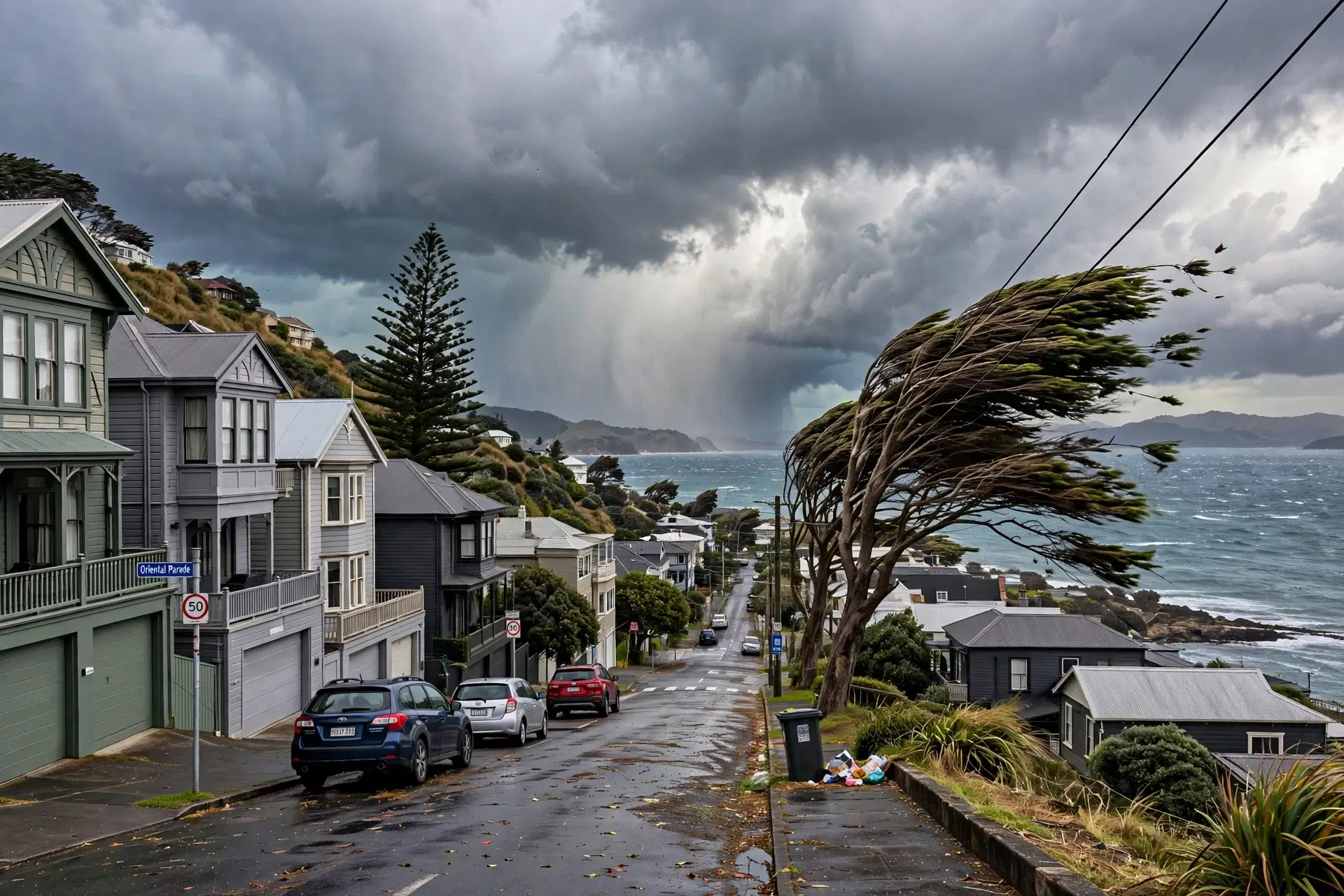
Wellington also has its own weather. We sit beside Cook Strait, which pushes strong winds through the region. NIWA, now part of Earth Sciences New Zealand, describes the Wellington region as generally sunny and windy compared with the rest of the country. That affects when you can paint well and safely.
Best Time to Paint the Outside
For outside painting, aim for February to April. Here is why.
- Rain is lowest from January to March. February and March average about 61 and 67 mm of rain at Wellington Airport. June and July average 101 and 113 mm.
- Wet days are fewer in late summer. February and March each have about seven days with 1 mm of rain or more. July has about twelve.
- Dry spells are common in summer. The region gets about two dry spells of 15 days or more each year, and most happen in summer. The average spell lasts about 19 days.
- Winds are lighter in autumn. Autumn has the smallest share of strong winds in the region, and spring has the biggest.
- Temperatures are mild. Summer afternoons in Wellington average about 20°C. That sits inside the 15 to 20°C range Resene calls ideal for painting.
Early December and January can also work well. Just expect windier afternoons. Calm days in spring and May can work too. They are simply harder to find.
Best Time to Paint the Inside
Inside painting is much less fussy. Walls are out of the wind and rain, so you can paint in any month.
Winter is a popular choice. A Resene paint expert has said winter is the best time to paint inside. Paint dries more slowly in the cold. That gives painters more time to work, especially on ceilings. Many painters are also less busy in the cooler months, so booking can be easier.
There is one catch. A cold, damp house slows drying too much. Heat the rooms to about 15 to 16°C, keep fresh air moving, and use a dehumidifier if you have one. We cover this below.
Season-by-Season Guide
| Season | Painting the Outside | Painting the Inside |
|---|---|---|
| Summer (Dec to Feb) | Very good. These are the driest months, but afternoons can be windy in December and January. Paint the shady sides in the heat. | Good. Open windows and use fans. Sunny rooms can get hot. |
| Autumn (Mar to May) | Very good in March and April. Finish early because of dew. May is wetter. | Good. Mild air and easy ventilation. |
| Winter (Jun to Aug) | Poor. The wettest, coldest and most humid months. Only on dry days with winter paint. | Good if the house is warm and fresh air is moving. |
| Spring (Sep to Nov) | Fair. The windiest season, and October is wetter than September or November. | Good. Mild weather and windows can stay open. |
Wellington Month-by-Month Weather Guide
This table uses long-term NIWA averages for Wellington Airport from 1981 to 2010. The airport is open and windy, so Porirua, Whitby and the coast north of it can be different. Use it as a guide, not a promise.
| Month | Rain (mm) | Wet Days (1 mm or more) | Average Wind (km/h) | Outside Painting |
|---|---|---|---|---|
| January | 58 | 6 | 27.2 | Good |
| February | 61 | 7 | 24.4 | Very good |
| March | 67 | 7 | 24.8 | Very good |
| April | 68 | 8 | 24.1 | Good |
| May | 86 | 9 | 24.9 | Fair |
| June | 101 | 12 | 25.6 | Poor |
| July | 113 | 12 | 24.1 | Poor |
| August | 93 | 12 | 24.3 | Poor |
| September | 75 | 10 | 25.8 | Fair |
| October | 95 | 11 | 28.7 | Fair |
| November | 75 | 9 | 28.2 | Fair |
| December | 65 | 8 | 27.7 | Good |
The outside ratings are our own reading of the rain and wind numbers. Wind figures are daily averages. Afternoons are windier than mornings.
What Weather Do You Need to Paint a House?
Resene, one of New Zealand’s main paint makers, says the ideal painting day is 15 to 20°C, with humidity around 70 to 80% and a very gentle breeze. You will rarely get a perfect day. Aim to get close.
Temperature
Temperature changes how paint dries and how strong it ends up.
- Cold slows paint down. As a general rule, water-based paint should go on when the temperature is above 10°C.
- Very cold weather can ruin paint. Paint that cannot dry properly in the cold can crack or even dry to a powder.
- Walls are colder than the air. Concrete and plaster warm up slowly in the morning, so the wall may be much cooler than the weather report says.
- Winter paints help. Winter-grade paints and additives are made for colder days. They have limits too, so always check the label.
- Heat causes trouble as well. Paint dries too fast, it is hard to keep a wet edge, and brush marks stay. Paint the shady side or wait for the day to cool.
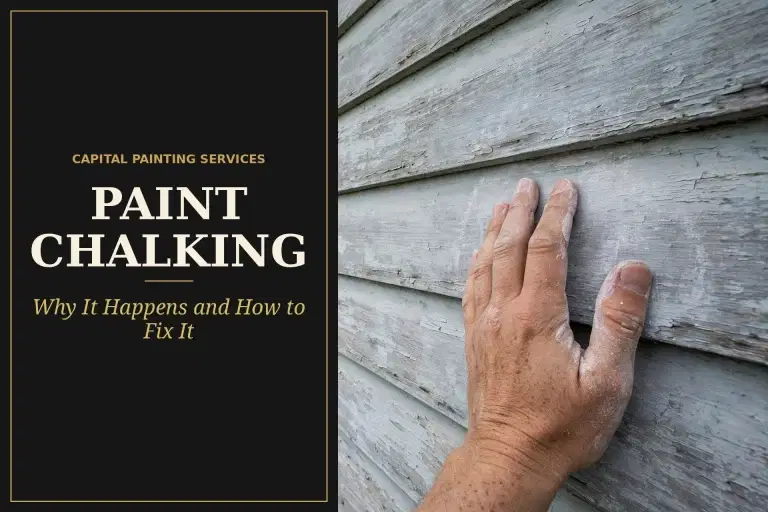
If your paint dried to a powder, our guide to paint chalking explains what to do.
Humidity and Dew
Humidity is the amount of water in the air. Paint dries by letting its water escape into the air. When the air is already full of water, paint dries slowly.
Dew is water that forms on surfaces when the air cools in the evening. If dew lands on paint that is not dry yet, the paint can blister or turn sticky. In bad cases, it can wash off.
Wellington’s air is damp all year. Morning humidity averages about 74 to 78% from September to March. It rises to about 81% in June and July.
Resene also warns about calm, still autumn afternoons with clear blue skies. They look perfect, but the air cools fast at the end of the day and the damp rises. Finish early so the paint can dry before evening.
Wind
A light breeze helps paint dry. Strong wind does the opposite.
- Paint dries too fast, and the finish can look patchy.
- Dust and leaves stick to wet paint.
- Ladders get risky when gusts hit.
Wind in Wellington is usually strongest in the afternoon. At Wellington Airport, it averages about 30 km/h at 3pm and about 24 km/h overnight. Mornings are calmer. If one side of the house is too windy, start on a sheltered side.
Rain
Do not paint when rain is on the way. Check the forecast for the next few days, not just today. Some paint makers sell additives that protect fresh paint from light showers. They are not made for medium or heavy rain.
Sun and UV
Direct sun makes paint dry too quickly. Painters follow the shade. Start on the side the sun has not reached yet, then work around the house as the sun moves.
UV is strongest in summer. That does not change the day you paint, but it changes how long the paint lasts. Our guide to house paint fading covers colour choice in strong sun.
Best Season to Paint the Outside of a House in Wellington
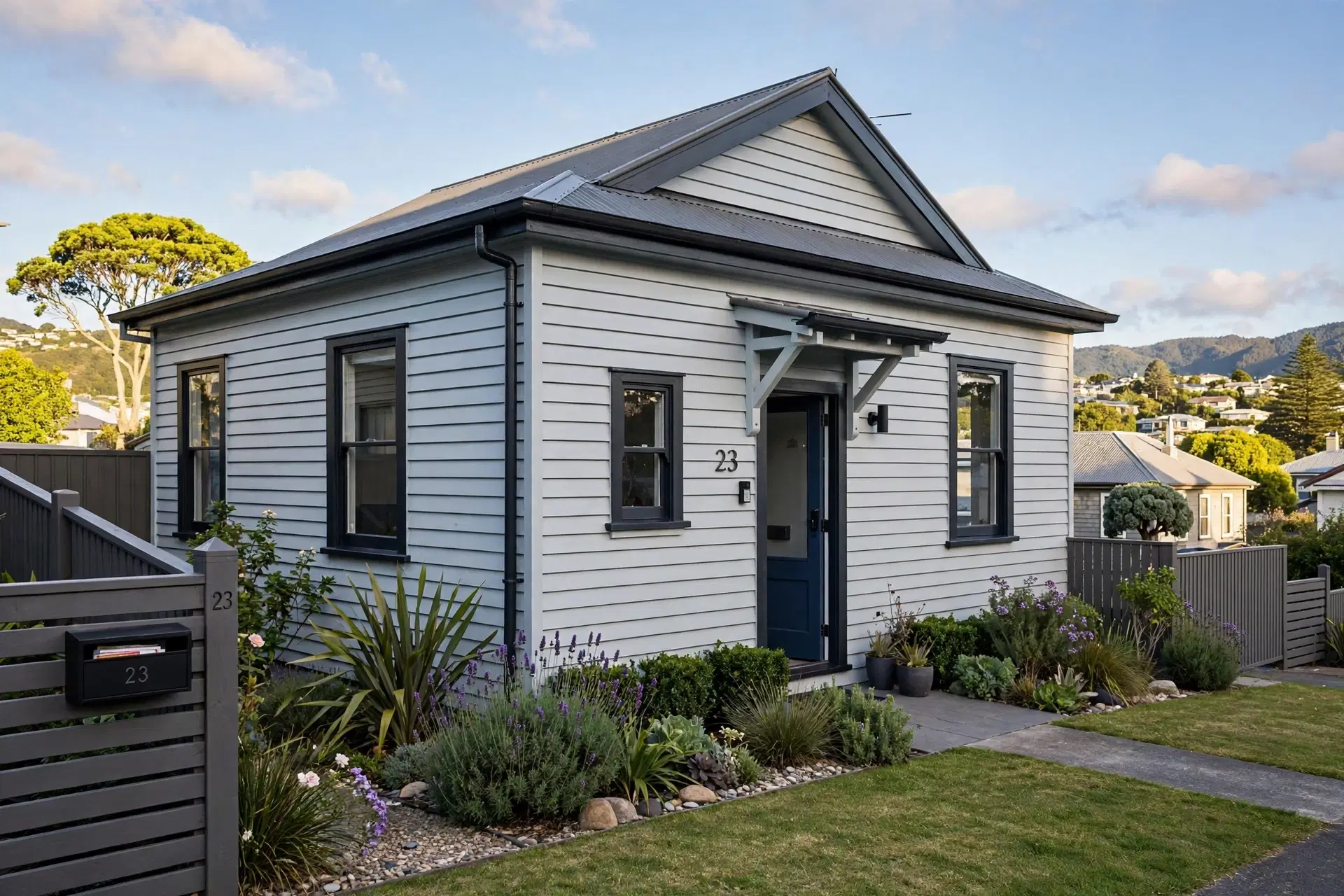
Summer (December to February)
Summer has the driest weather. Wellington is also not that hot. Wellington Airport averages only about six days a year above 25°C. So heat is a smaller problem here than in many other parts of New Zealand.
Wind is the bigger issue. December and January are among the windier months, and afternoons are the windiest part of the day.
- Start early while the air is calm.
- Follow the shade around the house.
- Avoid hot afternoons on walls that get full sun.
Summer is also busy. Christmas visitors and holiday plans can get in the way of a big painting job.
Autumn (March to May)
Autumn is often the best balance. March and April are dry, the wind is lighter, and the air is still mild.
The catch is the evenings. Days get shorter, the air cools earlier and dew arrives sooner. Finish painting in the middle of the afternoon and let the paint dry before the damp sets in. May is wetter, with about 86 mm of rain, so good days become harder to find.
If you live in the Hutt Valley, take extra care. Wallaceville in Upper Hutt gets about 43 days of fog a year, mostly from March to July.
Winter (June to August)
Winter is the hardest season for outside painting. It is the wettest time of year, and the coldest. July afternoons at Wellington Airport average only about 11 to 11.5°C. It is also the most humid season.
Painting outside in winter is possible, but you only get short windows on dry, mild days. We explain more in the winter section below.
Spring (September to November)
Many NZ guides recommend spring for outside painting. Walls are drying out after winter and the weather is mild.
In Wellington, spring has a downside. It is the windiest season in the region. At Paraparaumu, 37% of strong winds happen in spring and only 19% in autumn. October is also wetter than September or November.
Calm, dry spring days are still great for painting. Just keep an eye on the forecast and have a sheltered side of the house ready.
Best Time to Paint Inside a House in Wellington
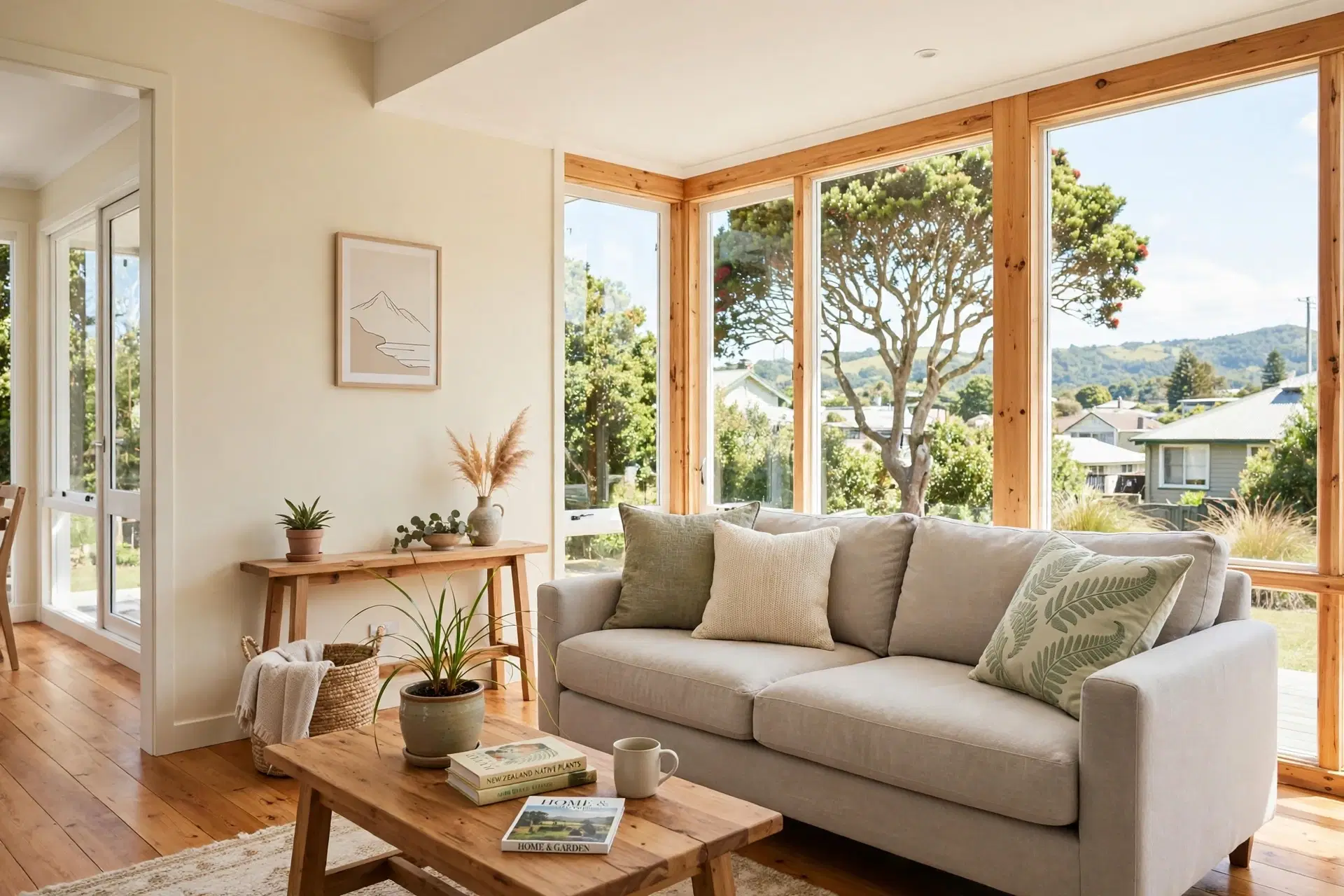
Inside, weather matters less. But the same basics still apply. Avoid very damp air, very cold rooms and very hot rooms. Keep fresh air moving so the paint can dry properly.
Painting Inside in Winter
Winter is a good time to paint inside, with the right set-up.
- Warm the house first. Painters suggest running a heat pump or heater for a while so the rooms sit at about 15 to 16°C.
- Keep air moving. Open windows while the paint dries and run a fan if you have one.
- Use a dehumidifier. Wellington winters are damp, and this helps paint dry faster.
- Watch window condensation. Water that runs down the glass onto the sill can lift paint on the sill and trim.
Do not skip the heating. A cold, damp room can leave paint soft and slow to dry.
Painting Inside in Summer
Summer works well too. Open windows and fans make drying easy.
The only problem is heat. On very hot days, paint dries too quickly, especially on ceilings. A Resene paint expert has said a ceiling can reach 34 to 35°C on a blisteringly hot day, which makes a good finish hard. Wellington rarely gets that hot, but a sunny top-floor room can. Start with the shadiest rooms and paint the sunniest ones in the cooler part of the day.
Smell and Drying Time
A common worry is the smell. Paint can feel dry within hours, but it takes longer to fully harden. How long the smell lasts depends on the paint, how much air moves through the room, and how damp the day is.
Open windows and a fan help at any time of year. In cool, damp weather, paint also runs more easily, so watch for drips as you go. If you are sensitive to paint smell, ask your painter for a low-odour paint.
Painting Ceilings and Wet Areas
Ceilings are easier in cooler weather. Paint stays workable for longer, so you can keep a smooth, wet edge.
In bathrooms and kitchens, run the extractor fan and keep the room dry while the paint sets. Trapped steam is a common cause of bubbles. Our guide to paint bubbling on walls explains how to avoid it.
Why Wellington Is Different From Auckland or Canterbury
A lot of painting advice comes from other parts of the country. Some of it does not fit Wellington.
- Wind is stronger. Cook Strait acts like a wind tunnel, and the Wellington region is windy compared with most of New Zealand.
- Heat is milder. With only about six days a year above 25°C at Wellington Airport, “too hot to paint” is less common than elsewhere.
- Spring is not the calmest. Advice that spring is best often comes from regions where spring is calmer.
- Rain can be heavy. In strong northerly storms, a band of high rainfall can run from Porirua across Lower Hutt.
- Inland areas differ. The Hutt Valley is more sheltered but foggier and colder on winter nights.
The best time to paint in Wellington is when the local weather suits the paint, not just when the calendar says so.
Best Time of Day to Paint
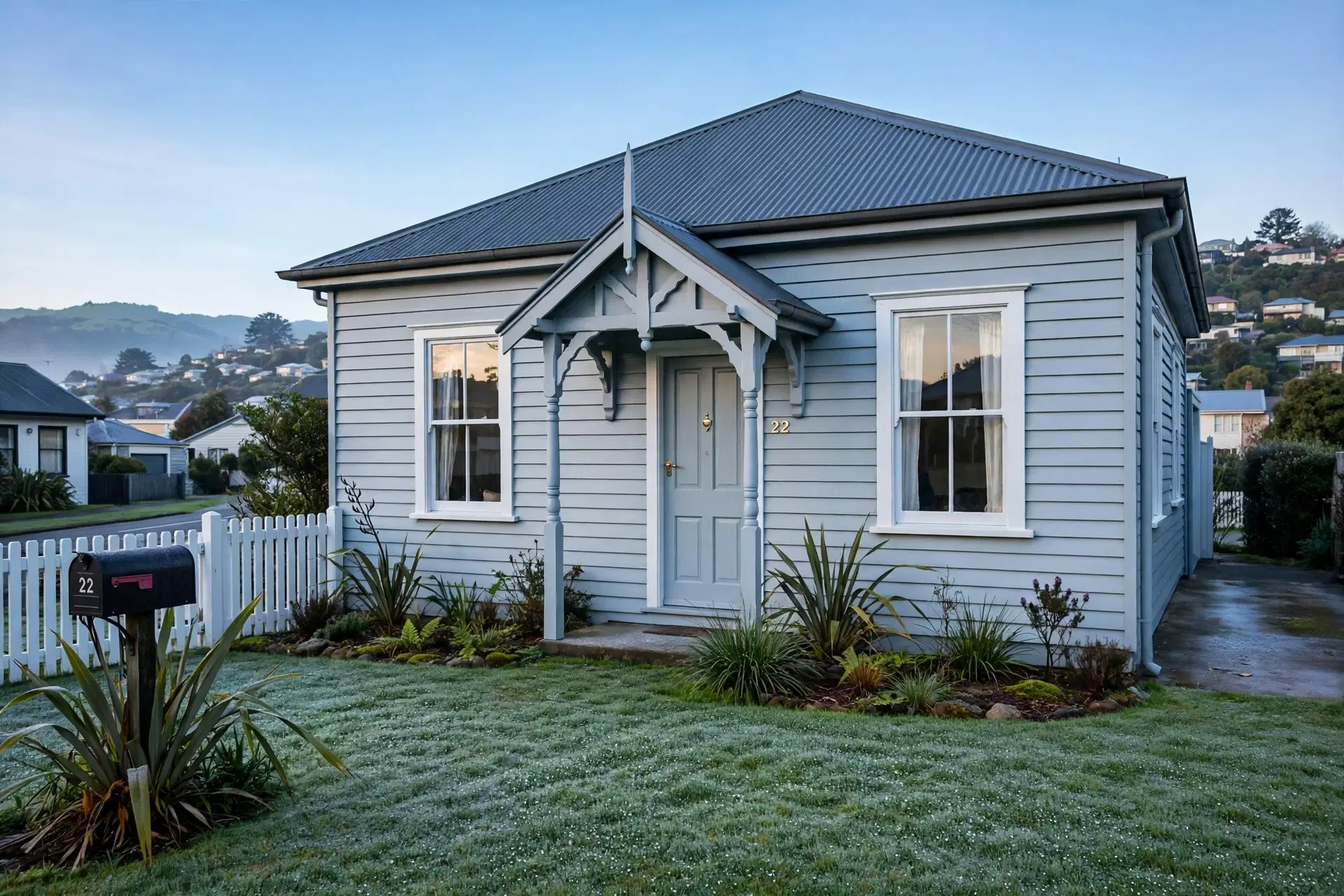
For outside painting, the time of day matters almost as much as the month.
- Start in the morning once the dew has dried and the wind is still light.
- Follow the shade in summer so paint does not dry too fast in direct sun.
- Stop earlier in autumn and winter so the paint has time to dry before evening damp arrives.
- Avoid late afternoons in cool months. One NZ painter advises against painting after 2pm in winter.
For inside painting, the time of day matters less. Daylight is better, because it shows missed spots and uneven patches.
How Long After Rain Can You Paint Outside?
There is no single number. The wall must be fully dry before you paint. Many painters wait at least a day after heavy rain, and longer for shaded walls and timber. Plaster and concrete can hold moisture for longer than you expect.
Try these quick checks:
- Pour a little water on a concrete path. If it does not dry out, wait.
- Wipe a thin coat of water onto the wall. If it has not dried in 15 minutes, wait.
- Look at the washing line. If your washing is not drying, your paint will not dry either.
How Long Should Paint Dry Before It Rains?
Paint needs time to dry before rain, and that time gets longer in cool, damp weather. The label or data sheet on your paint gives the time for that product. Do not paint when medium or heavy rain is expected while the paint is still drying.
Can You Paint a House in Winter in NZ?
Yes, with limits.
Outside: winter painting is possible on dry, mild days. The window is short. Painters aim for the middle of the day and follow the sun around the house. Winter-grade paints and additives work in colder weather, but they should not be used when rain is expected. Some painters wrap the house in a cover to keep the rain off. That allows work through winter, but it adds cost.
Inside: winter painting is easy if the house is warm and has fresh air moving through.
If your outside job can wait, February to April will give you better conditions. If it cannot, a good painter will watch the forecast and paint on the best days.
What Goes Wrong When You Paint at the Wrong Time?
Bad timing does not always show straight away. Problems can appear days, weeks or months later.
- Blisters and bubbles can form when paint dries too fast in heat or when damp gets trapped under the surface.
- Sticky or streaky marks can appear when dew or damp hits fresh paint. They can look like chalking, so read our paint chalking guide if you are unsure.
- Powdery paint can happen when it is too cold for the paint to form a proper film.
- Peeling can show up later if the paint never bonded well. See our guide to fixing peeling paint.
- Runs and drips are more likely in cool, damp conditions.
- Brush and lap marks show up when paint dries too quickly in heat or wind.
Good preparation matters too. Our house painting prep guide covers what to do before the first coat.
Simple Weather Tests Painters Use
You do not need fancy tools to check if it is a good day to paint.
- Check the washing line. If clothes are drying, paint will probably dry.
- Test the wall with water. A thin coat of water should dry within about 15 minutes.
- Feel the wall. If it feels cold and damp, give it more time.
- Look at the forecast. Check the next few days, not just today.
- Follow the sun. Start on the shady side and move round as the sun does.
- Read the label. Your paint’s label or data sheet gives the temperature range and drying times.
When to Book a Painter in Wellington
Good-weather months are popular, so booking ahead helps. If you want your outside job done in February or March, start asking for quotes in spring or early summer.
Resene has noted that many painters are quieter in winter than in the rush before Christmas. Some painters are also happy to offer more flexible dates in their quieter months. It is worth asking, especially for inside work.
Plan Around Your Life, Not Just the Weather
The best painting window is not only about weather. Think about your own calendar too.
- Hosting guests over Christmas, New Year or long weekends is stressful when tools and drop sheets are around the house.
- Selling or moving may set a deadline for your painting job.
- Home life matters too. Kids, pets and working from home all affect which rooms you can empty and when.
If you can, pick a time when you will not be fighting the paint job for space.
When to Call a Professional Painter in Wellington
A small job in one room is easy to plan around the weather. Bigger jobs are harder. Call a painter if:
- The job is big. A two-storey house or a full repaint needs good weather for days in a row.
- You cannot wait for perfect days. A professional knows which days are good enough and which to skip.
- Prep is heavy. Washing, scraping, filling and priming all need to happen before painting.
- Ceilings are involved. Smooth ceilings take skill, steady lighting and the right timing.
- You are short on time or energy. Painting a house is physical work.
If you are not sure who to hire, read our guide on how to choose the right house painter in Porirua. You can also learn about our exterior painting and interior painting services.
Best Time to Paint a House FAQs
Need Help Planning Your Paint Job in Porirua?
Choosing the right time to paint is half the job. The other half is good preparation, the right paint and careful work.
At Capital Painting Services, we help homeowners across Porirua, Whitby, Titahi Bay, Plimmerton, Pukerua Bay and the wider Wellington region. With 10 years of trade experience, we watch the weather closely and plan each job around it.
Contact our team today for a free on-site assessment and quote, or call 022 071 5878.