
Professional House Painting Services in Plimmerton
Looking for house painters in Plimmerton? Capital Painting Services paints homes right across the village, from the station quarter and the level streets behind the shops to the beachfront and South Beach, up Motuhara Road and the southern hill streets, and around the bay at Karehana Bay, with the Domain and Taupo Stream side streets in between. We are based in Whitby, just minutes up SH59, and Plimmerton is one of the closest runs we make. This is a small, settled village: about 2,100 people in about 860 homes at the 2023 Census, a median income of $61,100 against $41,500 nationally, and a population that has barely moved in twenty years. People here stay, and they look after their houses. The village began as a railway resort: the Wellington and Manawatu Railway reached Plimmerton in 1885, the suburb is named for company director John Plimmer, Plimmerton House hotel opened beside the station in 1886, sections sold from 1888, and by 1900 the place was 30 summer cottages, two hotels and a store.
The baches came first, and the permanent village grew over them. The majority of Plimmerton’s housing stock was built in the 1970s, over that resort footprint, with the hill streets rebuilt and extended through the 1980s, 1990s and 2010s. The council records make the pattern plain: iron roofs on 13 of the 17 homes we sampled, wood walls first, roughcast arriving in the 1980s and 1990s, and contours that split cleanly between a level village floor and falling hill streets. The setting does the rest. Plimmerton faces west across the harbour entrance to Mana Island, most of the village sits within the high corrosion salt band the building standards draw at 500 metres from the sea, and its sheltered beach is famous for another reason: world champion windsurfers have trained here. Salt, driven wind and afternoon sun are the three forces every Plimmerton paint job is planned against. This page walks through what we paint, what it costs, the problems we fix, and how we work, street by street.
Interior Painting Plimmerton
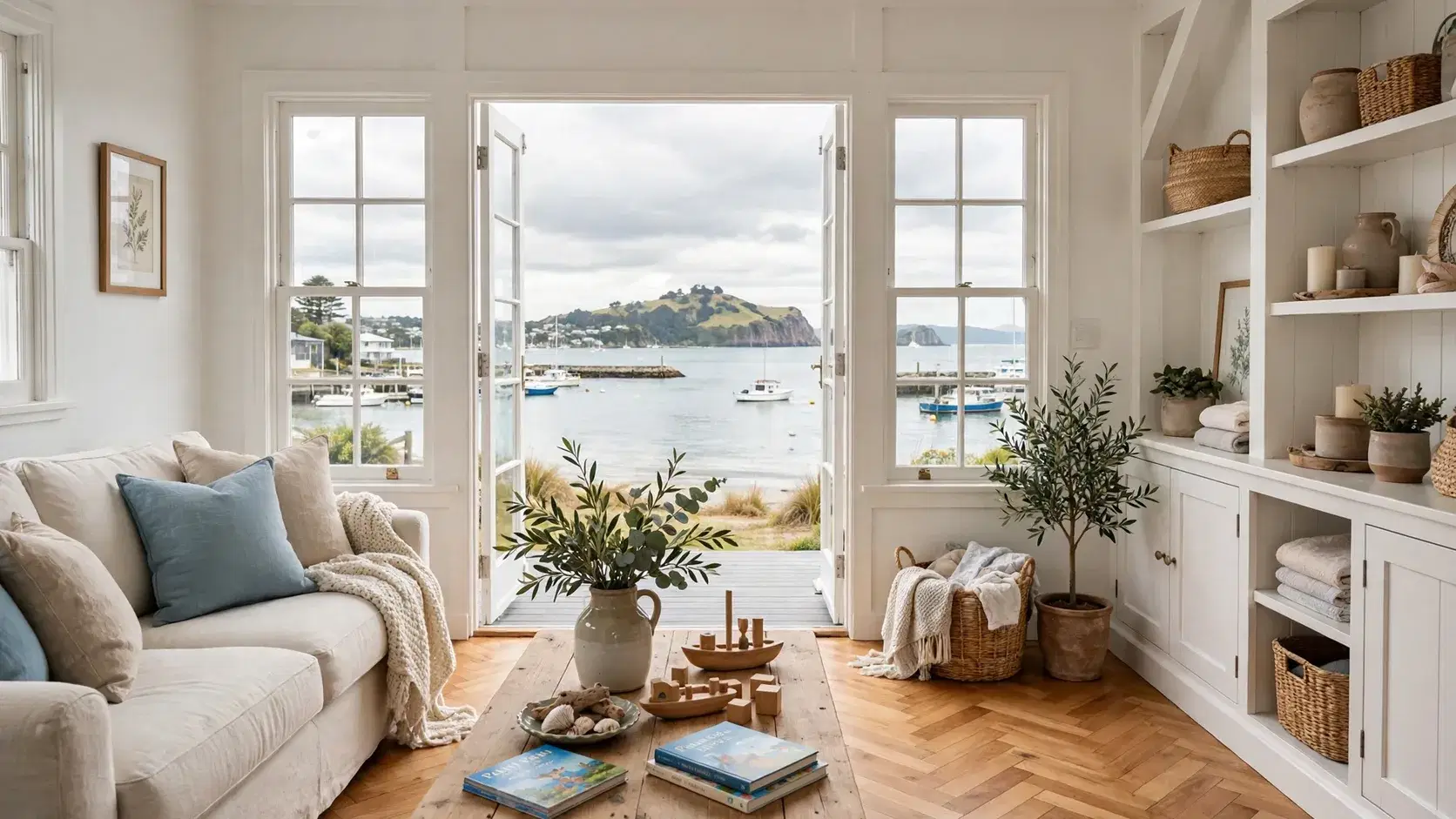
Interior painting in Plimmerton spans a century of housing in under 900 homes. At one end are the resort era cottages and their successors on the village floor, small bach scale homes, one sampled Airlie Road home from the 1950s has an 85 square metre floor, with original timber trim under decades of paint. At the other end are the big hill street rebuilds, 280 and 310 square metre homes on Motuhara Road and Corlett Road, and the village’s majority in between: 1970s homes with the era’s linings, joinery and textured ceilings.
One question from owners of Plimmerton’s 1970s homes comes up constantly: can you paint over a textured ceiling? The honest answer starts with a test, not a roller. Textured ceilings applied from the 1960s into the 1980s can contain asbestos, and Plimmerton’s biggest building decade sits right in that window, so nobody scrapes, sands or disturbs one until it has been tested. If it tests clear, we paint it like any ceiling. If it does not, we talk through safe options such as leaving it undisturbed, or bringing in licensed removal before any repaint. The trim gets the same care across every era: old oil based enamel sanded and de-glossed so modern water based coats actually grip, because the classic interior failure here is new paint lifting off shiny old enamel within a year.
Exterior Painting Plimmerton
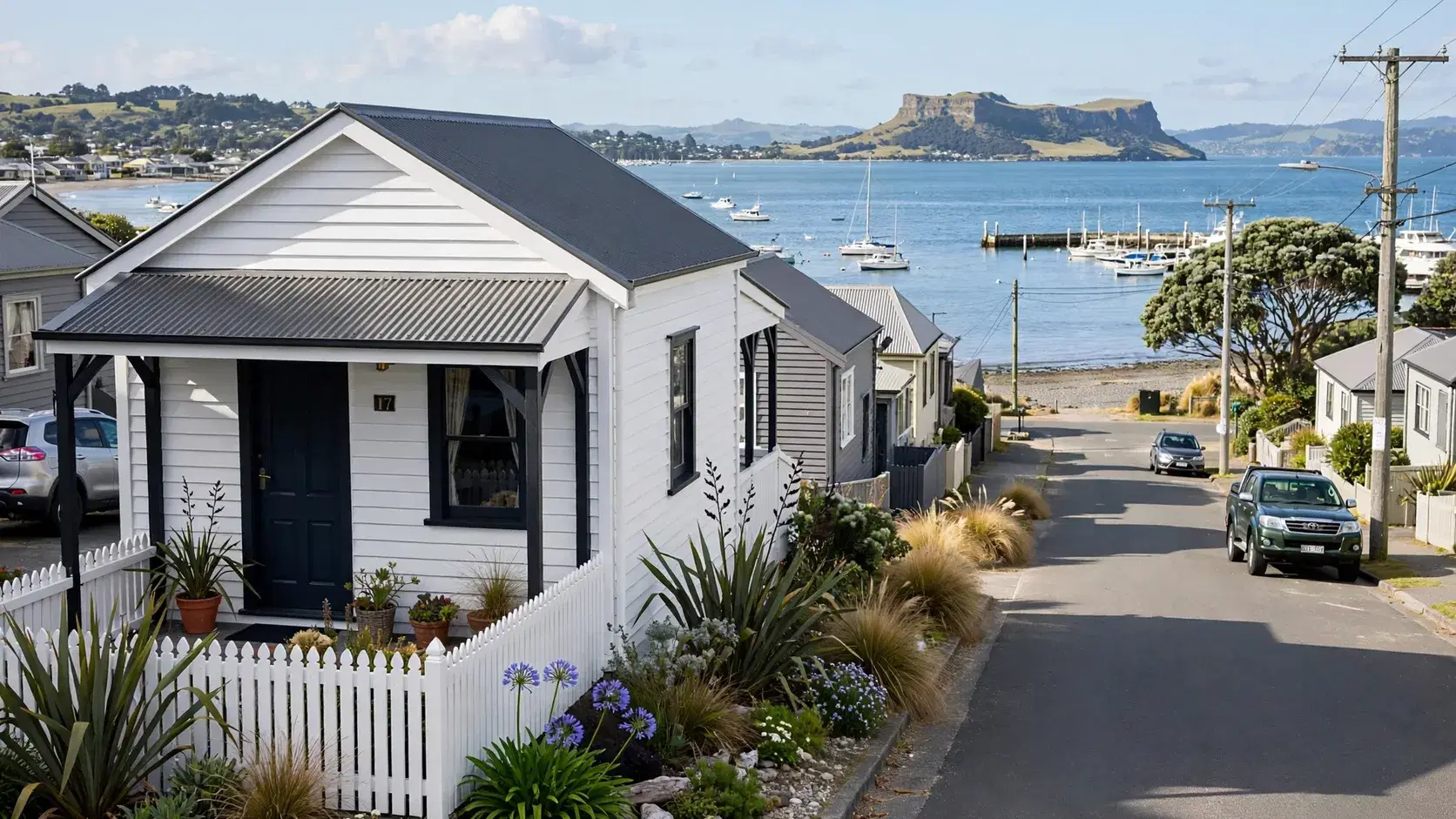
Exterior painting in Plimmerton is harbour mouth painting. The village is a narrow strip between the hills and tidal water, and most of it sits within or near the 500 metre high corrosion band the building standards call Zone D. Salt spray off the harbour entrance, driven across the strait gap, builds up where rain does not wash, under eaves, behind downpipes and on sheltered walls, and it attacks window joinery, fasteners and garage doors first. The west facing beachfront then takes the afternoon sun full on, with New Zealand’s UV running about 40 percent higher than equivalent northern hemisphere latitudes. Our exterior work is built for both: a proper wash down, scrape and sand back to sound paint, rot repairs, gap sealing, the right primer system for a salt zone, then two topcoats of premium acrylic matched to the exposure the wall actually gets.
How long should an exterior paint job last here? On a well prepared Plimmerton home, seven to ten years is the honest range, with the beachfront and west facing weather walls at the shorter end, and an annual wash down is part of the deal anywhere this close to salt water, because salt left sitting shortens any coating’s life. The housing suits the plan: wood walls first in the council records, from the 1940s Motuhara Road homes to the 1970s majority, with roughcast and brick in the later layers. Tell us your street and which way it faces, and we will tell you honestly what your home needs.
Interior Plastering Plimmerton
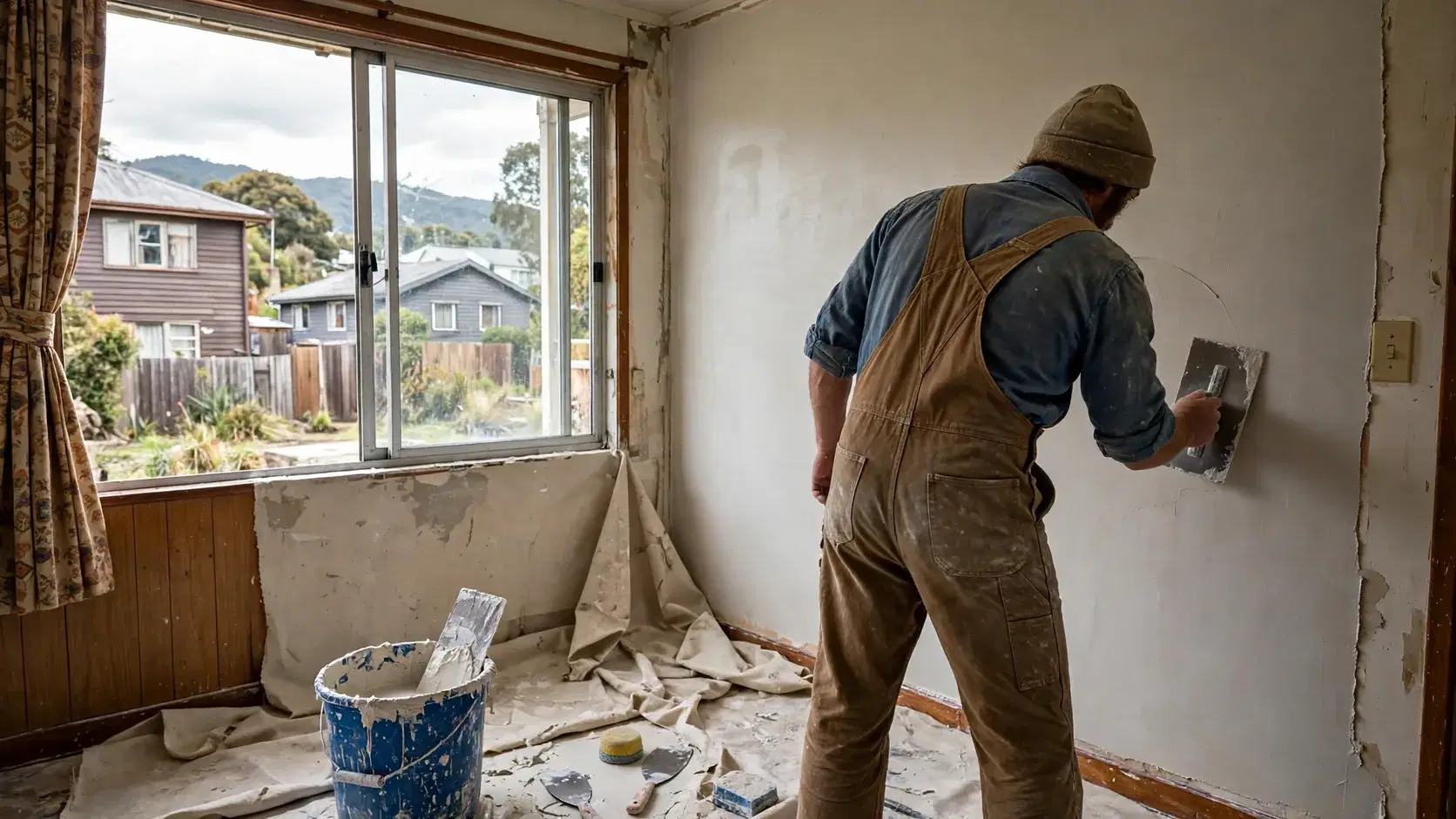
Interior plastering in Plimmerton follows the village’s two shapes. On the level village floor, the older cottages and 1970s homes have had fifty to a hundred years of small movements, and their ceilings and gib joins show the classic settlement cracks, worst where extensions were added to bach scale originals as the cottages became permanent homes. On the hill streets, the split level and two storey designs flex where the levels meet, and the cross lease flats and units that appear through the Airlie Road records bring their own lining repairs.
Our plasterers repair cracks properly, cutting out and stopping rather than smearing filler over a moving crack, skim coat tired walls to a paint ready finish, and repair water damaged plaster where a roof or flashing has quietly leaked, which matters on the low ground near the Taupo Stream corridor, where the November 2020 flood put water through village homes and the school. Plastering and painting are quoted together, so the finish you see at the end is one team’s work, with no gap between the plasterer’s standard and the painter’s.
Exterior Coatings Plimmerton
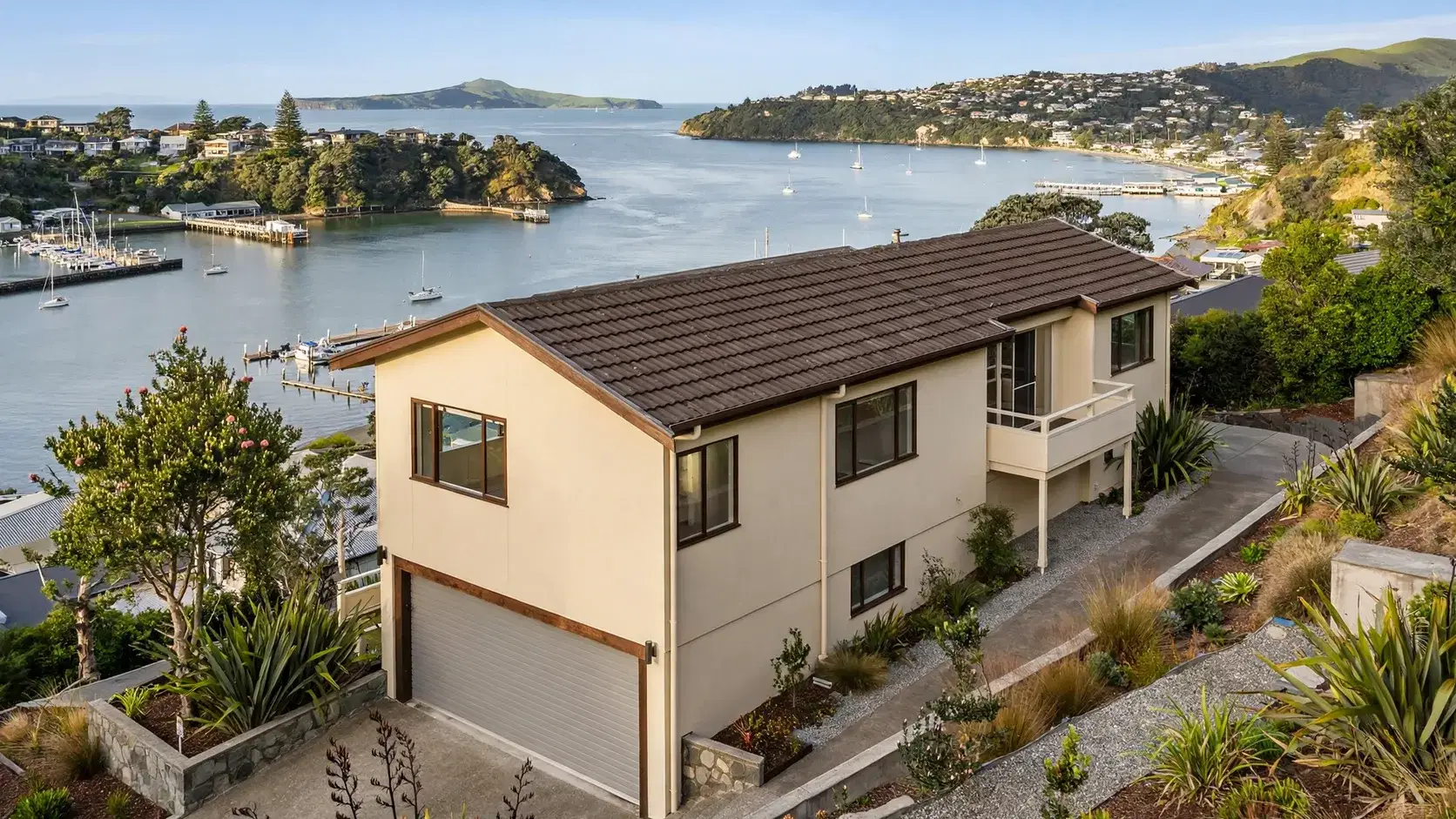
Exterior coatings in Plimmerton belong to the village’s later layers. Roughcast arrives in the council records in the 1980s and 1990s (113 Motuhara Road, 16 Corlett Road), and roughcast and texture coats live on their finish and their detailing: once hairline cracks open and water gets into the texture, the coating fails in patches, and the repair is a system recoat, not a dab of paint. We apply elastomeric and high build coating systems that bridge hairline cracks and flex with the building, with moisture checks before any recoating, and the same logic covers the plaster and texture systems on the modern hill street rebuilds.
The older claddings get honest conversations too. Weatherboard, the village’s main wall, is painted, not buried under heavy coatings. Fibrous cement, which appears in the records at a 1980s Airlie Road home, is painted too, and any damaged fibro gets identified before prep because of what the era’s product can contain. Brick, a 1970s Steyne Avenue record in the sample, does not need its walls coated at all; on brick homes the work is the trims, eaves, soffits, joinery and roof. The system is matched to the cladding, not to a sales target.
Pressure Washing Plimmerton
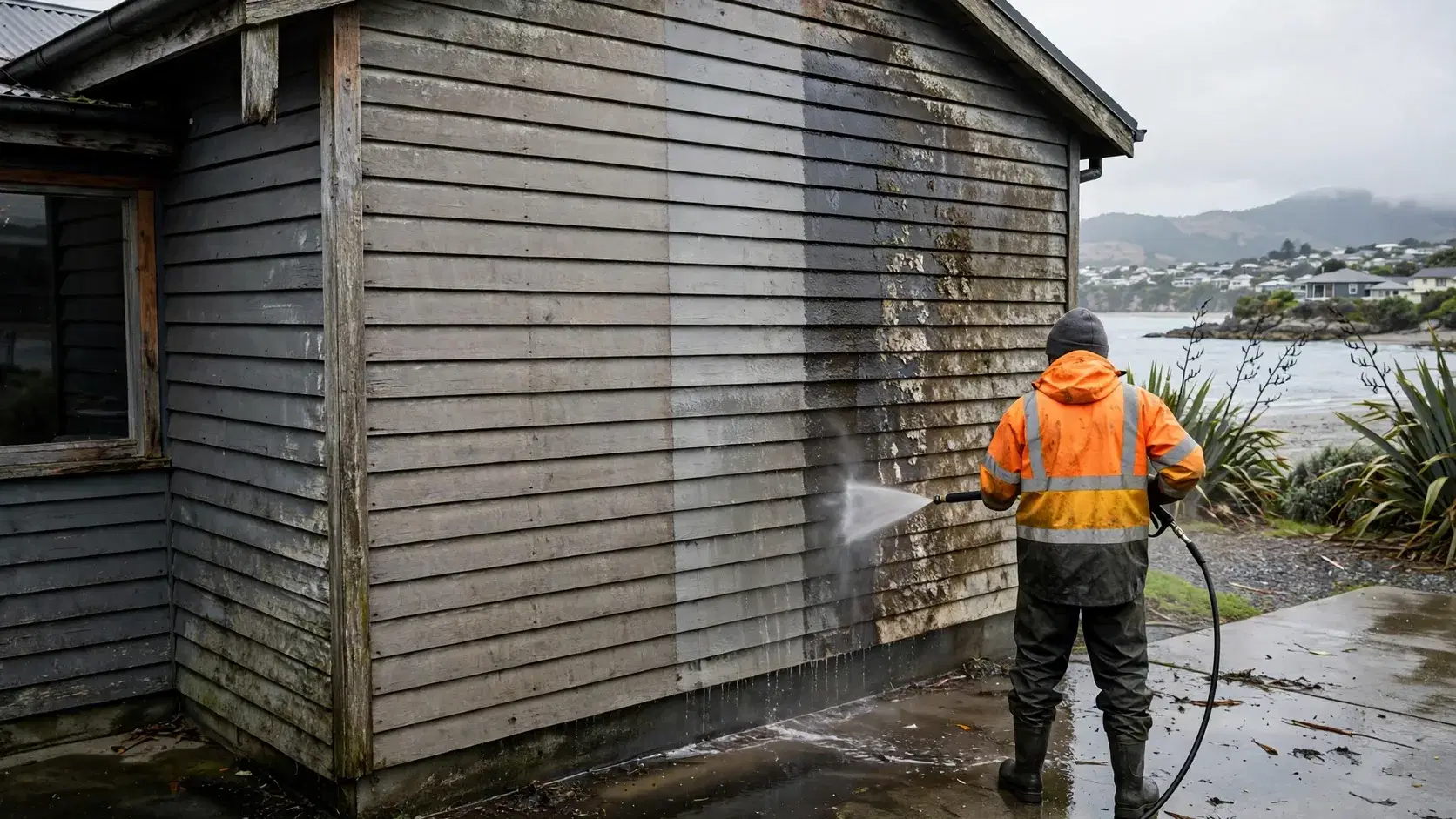
Pressure washing in Plimmerton does two jobs: it is the first step of a proper repaint, and it is a maintenance clean in its own right. On a harbour mouth site the wash down is not cosmetic. Salt concentrates where rain never reaches, under eaves, behind downpipes, on sheltered walls and on the harbour side of everything, and left sitting it corrodes fixings and shortens the life of the paint above it. The shaded streets add the second load: mould and algae on the south facing walls, the swamp side streets near Taupo Stream, and paths and driveways that stay damp through winter.
Should you waterblast a house before painting it? Yes, a wash is part of proper prep, but the method matters, and this close to the water the salt wash matters between repaints too. We soft wash where the surface calls for it, and one rule never bends: asbestos era materials are never waterblasted. In Plimmerton that means the fibrolite cladding and soffits of the 1970s and 1980s stock. Blasting them breaks the material up and spreads fibres, so those surfaces get tested first and handled the safe way.
Mould Removal Plimmerton
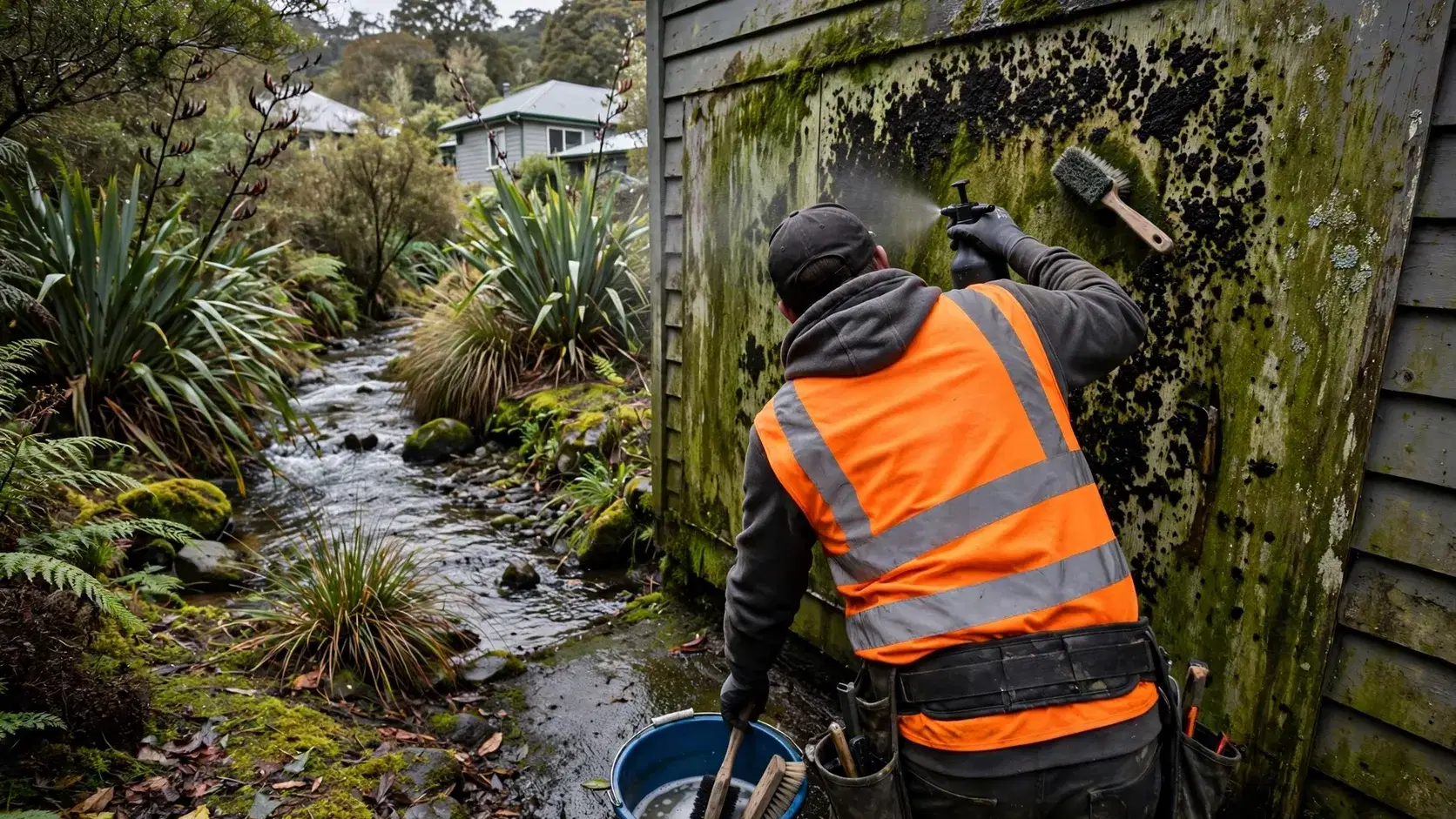
Mould removal in Plimmerton is shade and ground water work. There is no Plimmerton census damp figure to quote, and we will not invent one; what the village’s shape tells you is enough. The streets on the swamp side, along the Taupo Stream corridor and the Domain edge, sit on the suburb’s low, damp ground, the corridor the November 2020 deluge flooded, when residents were evacuated, St Theresa’s School lost containers of classroom resources to flood damage, and one family faced six to eight months away while their home was repaired. Taupo Swamp itself, about 30 hectares of protected flax swamp north of the village, regulates those water flows, in the QEII Trust’s words, but the low streets still live damp. Add the shaded south facing walls under the hill streets, and mould and algae are the village’s steady background problem.
Our mould work kills the growth at the root rather than bleaching the surface, treats the affected cladding and trim inside and out, and then paints with mould resistant systems chosen for shaded coastal exposure. We will also tell you honestly what is feeding it: a leaking gutter, vegetation hard against a shaded wall, ground moisture against a low floor. Kill the mould, fix the cause, and coat it properly, and it stays away for years instead of months.
Butynol Coating Plimmerton
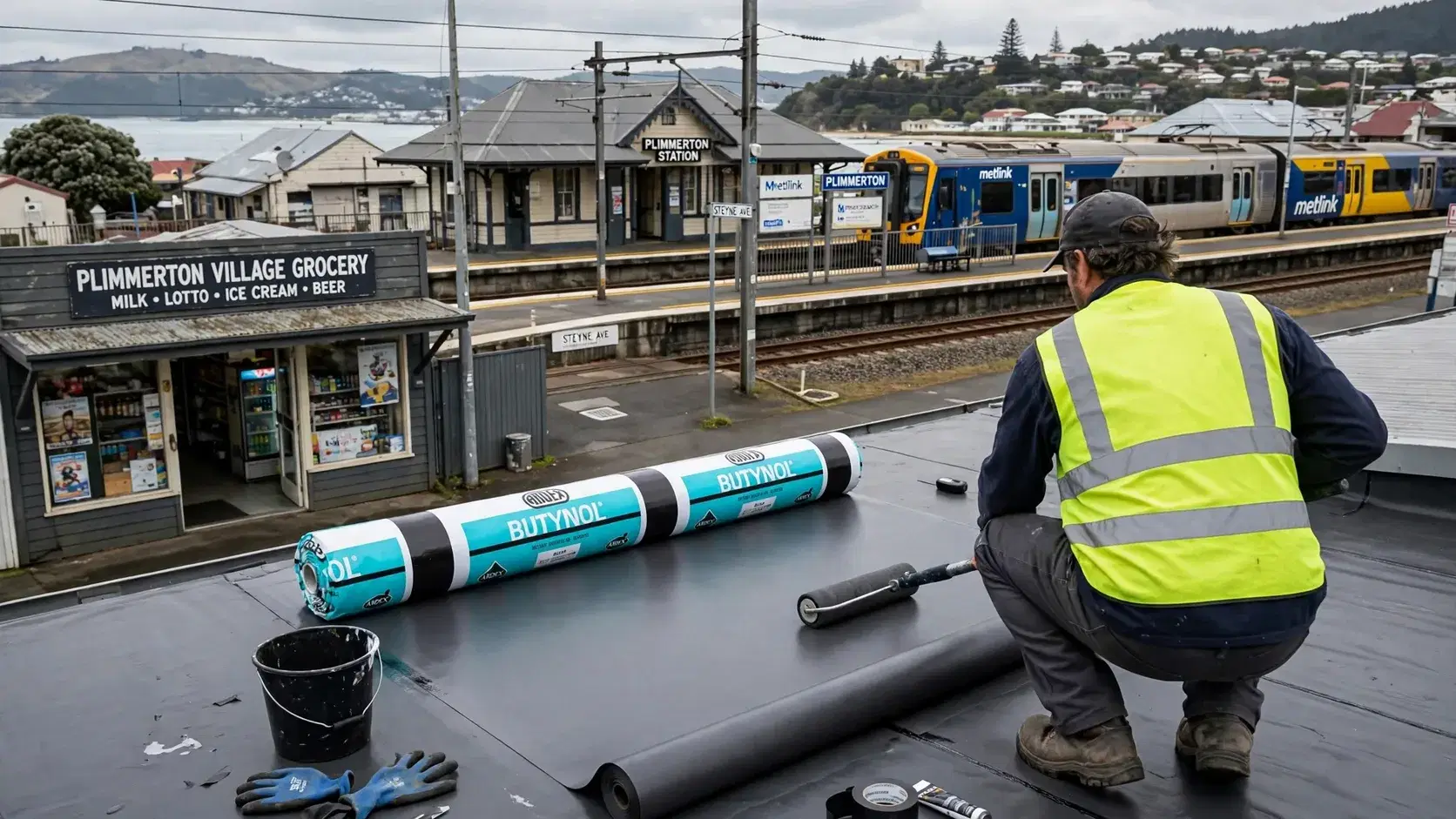
Butynol coating in Plimmerton protects the low slope and flat roofs that standard roof paint cannot save. The village has its share: low pitch sections over garages and living extensions on the hill streets, where split level designs step down Motuhara Road and Airlie Road, flat roofed parts of the commercial buildings around the station and Steyne Avenue, and the industrial estate buildings north of the village by the Domain, where film archive storage and workshops sit on the suburb’s lowest ground. When the original membrane ages, seams lift and the surface perishes under the western sun, and patching buys months, not years.
We strip or overlay failing membranes depending on their condition, prepare the substrate properly, and apply Butynol waterproofing systems with the laps, upturns and detailing done to specification. A flat roof over a living space or a workshop has no margin for shortcuts, because the leak you see inside is never directly under the hole. If your low slope roof is ponding water or the membrane is cracking, we will inspect it and tell you straight whether a recoat will hold or the substrate needs work first.
Roof Painting Plimmerton
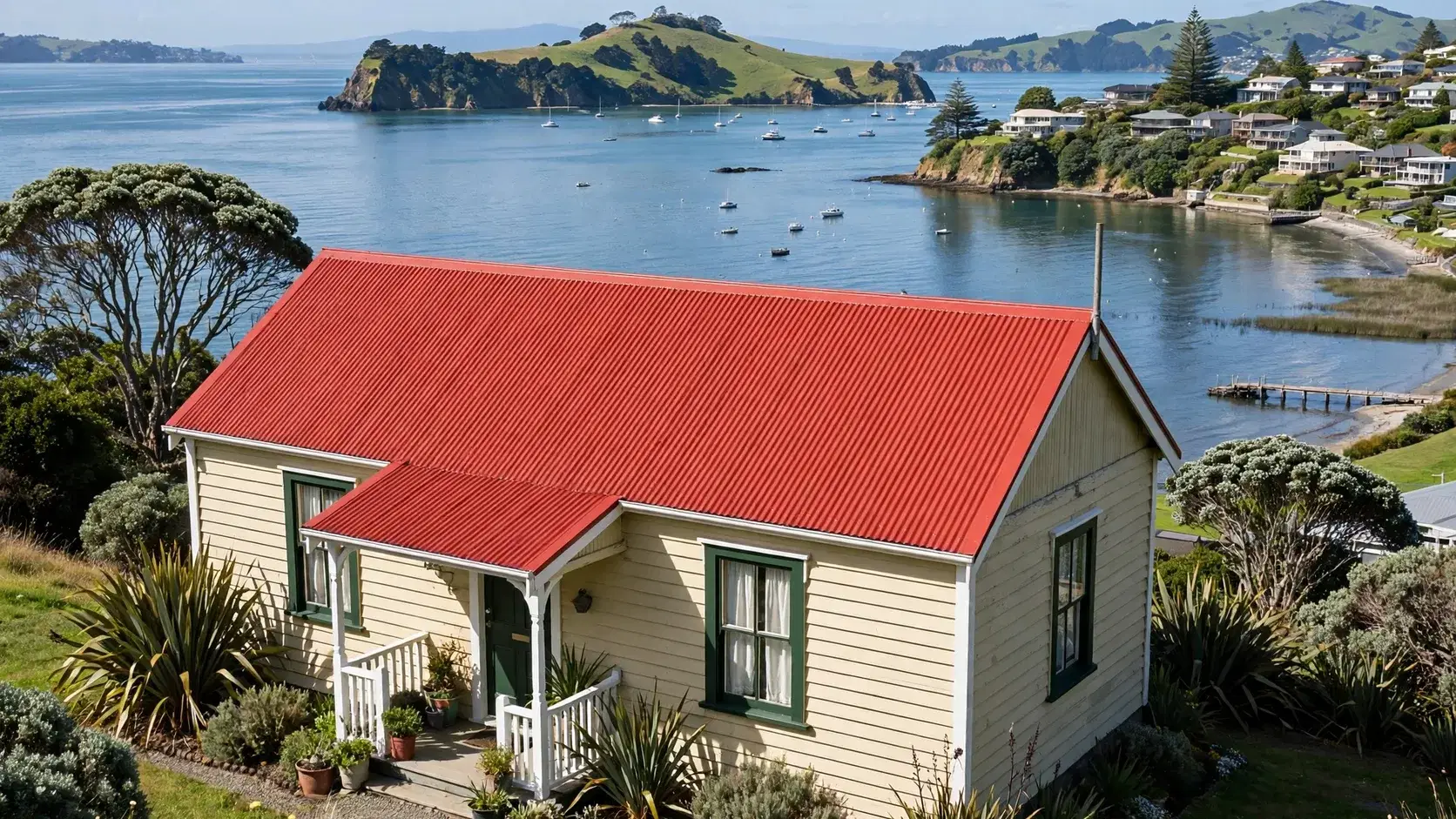
Roof painting in Plimmerton is iron roof country. Iron, corrugated and long run steel, is the roof on 13 of the 17 council records we sampled, in every decade from the 1940s to the 2010s, and at a harbour mouth an iron roof lives on its coating: salt works at the laps and fixings, and once the paint chalks and the galvanising gives up, rust follows. We wash, treat rust properly, prime with the right system or the new coat peels (the metal roofing industry’s own code of practice is blunt about that), and apply two coats of premium roof paint.
Tiles are the consistent second, recurring from the 1960s on (58 and 113 Motuhara Road, 13 Motuhara Road, 10 Cluny Road in the records), and tiles are not painted the way iron is: concrete tiles lose their surface coating and grow moss and lichen on the shaded and south facing pitches, and the conversation is about cleaning, bedding and pointing condition, and honest recoating advice. One 1970s Airlie Road flat even records iron walls under its iron roof. So the first question on any Plimmerton roof quote is which roof you have, and the second is how close to the water it sits.
Residential Painting Plimmerton
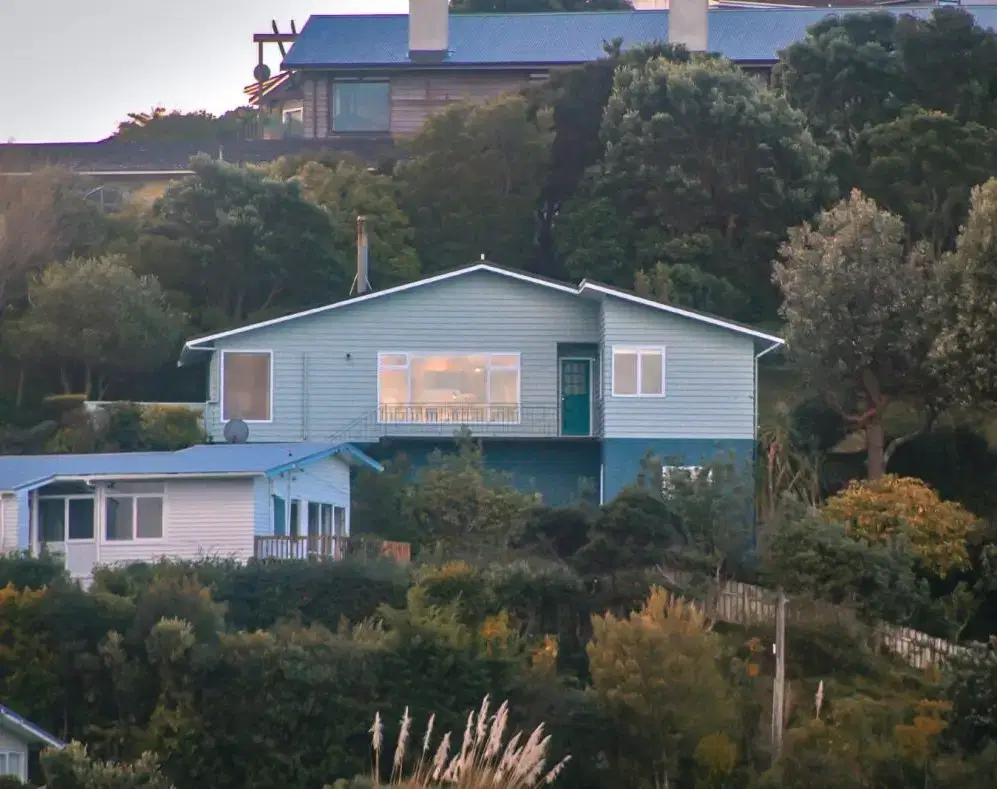
Residential painting in Plimmerton is our core work: whole home repaints, inside and out, across a village of fewer than 900 homes where almost every house is an owner’s home (93 percent of the stock is residential housing). The patterns repeat by street. A Steyne Avenue or School Road cottage gets lead aware prep, salt zone primers and a full exterior repaint on the flat, easy village floor. A Motuhara Road hill home gets its access planned around a step fall section, its west wall system specified for driven weather, and its iron roof recoated in the same program. A Karehana Bay home around Airlie Road gets the full harbour mouth treatment, with Denis Glover’s penguins as neighbours: he wrote that in Plimmerton, in Plimmerton, the little penguins play, and one dead albatross was found at Karehana Bay.
There is a painter based in Plimmerton itself, and we will not pretend otherwise. What we offer is the full service team minutes up the road in Whitby: fixed written quote, surfaces and gardens protected, prep done to the standard the cladding and the salt exposure need, premium coatings matched to the wall, a tidy site every night, and a walk-through with you at the end. Whether it is a bach scale cottage or a 300 square metre hill street rebuild, the standard does not change.
Commercial Painting Plimmerton
Commercial painting in Plimmerton covers the village’s working buildings: the shopping strip of about two blocks adjoining the railway station on Steyne Avenue, the church, medical centre, grocery store and eateries, Plimmerton School on School Road (opened 1904), and the Plimmerton Industrial Estate north of the village, home to the New Zealand Film Archive storage facility and Mainline Steam’s restoration base behind the station. It is a village scale commercial scene, and it runs on village rules: the trains keep stopping, the shops keep trading, and the program fits around both.
The village also guards its centrepiece: the 1940 railway station building, closed in 1989, saved by the community in 2004, restored and reopened in October 2010, and an award winner with the Rail Heritage Trust. Buildings people care about get careful programs, staged work and tidy sites. We schedule commercial jobs in stages and outside trading hours where needed, keep access ways and signage clear, and use durable commercial coatings specified for high wear and easy cleaning. If you run a business in Plimmerton and the building is letting the brand down, we will quote it free and plan the work around your hours, not ours.
Common Paint Problems We Fix in Plimmerton Homes
After years of painting around Porirua Harbour, we see the same failures again and again. If any of these sound familiar, you are not alone:
How Much Does House Painting Cost in Plimmerton?
The question everyone asks first: what will it cost to paint my house? The honest answer is that it depends on size, condition and access, and Plimmerton’s spread runs from bach scale cottages to 300 square metre hill homes, so the spread matters here more than most places. Here are realistic guide prices for Plimmerton homes:
| Job | Typical guide price |
|---|---|
| Full exterior repaint, 3 bedroom weatherboard home | $8,000 to $15,000 |
| Full interior repaint, 3 bedroom home | $6,000 to $11,000 |
| Roof painting, corrugated iron | $4,500 to $9,000 |
| Single room repaint | $800 to $1,500 |
These are guide prices to help you budget. Every home is different, and the only accurate figure is a written quote after we have walked the property. What changes the price?
- Height and access. The village floor is level and easy, and the hill streets are not: step fall sections on Motuhara Road and steep rises on Airlie Road put two storey elevations a long way above sloping ground, which means scaffold or elevated platforms where a flat site would take ladders. Published Wellington guides price scaffolding at $2,000 to $5,000 on top of the paint work. We organise the access as part of the quote.
- Exposure and paint system. A beachfront or west facing home in the salt band needs salt zone primers and systems that handle driven weather, and shaded swamp side homes need mould resistant systems. The right system costs a bit more up front and lasts years longer at a harbour mouth.
- Preparation. Often half the job or more on an older Plimmerton home. Lead aware prep on the pre 1970 stock, asbestos testing on the 1970s majority, decades of layered paint on the cottages, and any quote that looks cheap usually got cheap by shrinking the prep. That is the corner that fails first.
- Size and complexity. The village’s range is extreme, from 85 square metre cottage floors to rebuilds over 300 square metres with two storeys of glass and trim. Size is priced from the walk around, not from a suburb average.
- Condition and repairs. Rot in weatherboard ends and window joinery, rust treatment on iron roofs, crack repairs in roughcast: repairs found and fixed during prep are cheaper than failures found after the paint is on.
We give free, no obligation written quotes with the work broken down, so you can see exactly what the prep, access and coatings cost. No hidden extras halfway through the job. That is not how we do business.


What to Know About Painting Plimmerton Homes
Plimmerton is a small village with a long memory: a railway resort from 1885 underneath a 1970s majority, all of it inside or near the salt band. We are based in Whitby, just minutes up SH59, and we are painting somewhere in Plimmerton most working weeks. Here is the local knowledge that shapes how we quote and paint across the village.
The village core and station quarter (5026) are the resort era heart: Steyne Avenue’s two shopping blocks by the station, School Road with Plimmerton School (opened 1904), and the level streets behind the shops. The housing is the village’s oldest and flattest, cottages and their permanent successors, a 280 square metre brick home on Steyne Avenue in the records beside bach scale originals. Painting here is foundation era work on easy ground: lead era layers, iron roofs, and the village’s commercial faces all in a few streets.
The beachfront and South Beach (5026) are the salt front line: the west facing homes behind Plimmerton Beach, a fairly sheltered, gently graded beach that has drawn people for over a century, running south to South Beach above the Taupo Stream outlet. These homes sit closest to the harbour entrance, take the driven weather and the full afternoon sun, and look across to Mana Island. Painting here is harbour mouth painting at full strength: salt zone systems, annual wash downs, and honest life expectancies on the weather walls.
Motuhara Road and the southern hills (5026) are the village’s hill streets: Motuhara Road climbing south toward Camborne, with The Track, Gordon Road and Corlett Road in the same pocket. The council sample concentrates here, 1940s to 1990s homes on step fall and falling contours, iron roofs with tiles recurring, two storey forms where floor areas run well past footprints (230 square metres on 100 at 58 Motuhara Road), and roughcast arriving in the 1980s and 1990s. Te Rauparaha was captured near the road’s southern end in July 1846, and his little reserve sits off the road. Access planning is the quote conversation here.
Karehana Bay (5026) is Plimmerton outright, not a neighbour: the gazetted suburb name has included Karehana Bay since 2011. Airlie Road and Cluny Road run down the valley to the bay, about 1.5 kilometres from the shops, and the records show the village in miniature: 1950s wood and iron homes on level and steep rise contours, cross lease flats from the 1970s, fibrous cement on a 1980s lifestyle block, tiles at 10 Cluny Road. It is Glover’s bay, penguins and all, and its homes take the harbour weather with the least shelter in the village.
The Domain and Taupo Stream side (5026) are the village’s low ground and its working edge: St Andrews Road and the Domain’s football fields north of the shops, the industrial estate beyond, and Taupo Stream running south along the Domain edge to South Beach. This is the corridor the November 2020 flood came through, and its homes and buildings carry damp ground as a fact of address. Painting here starts with moisture: mould treatment, ground clearance, and coatings chosen for ground that stays wet longest.
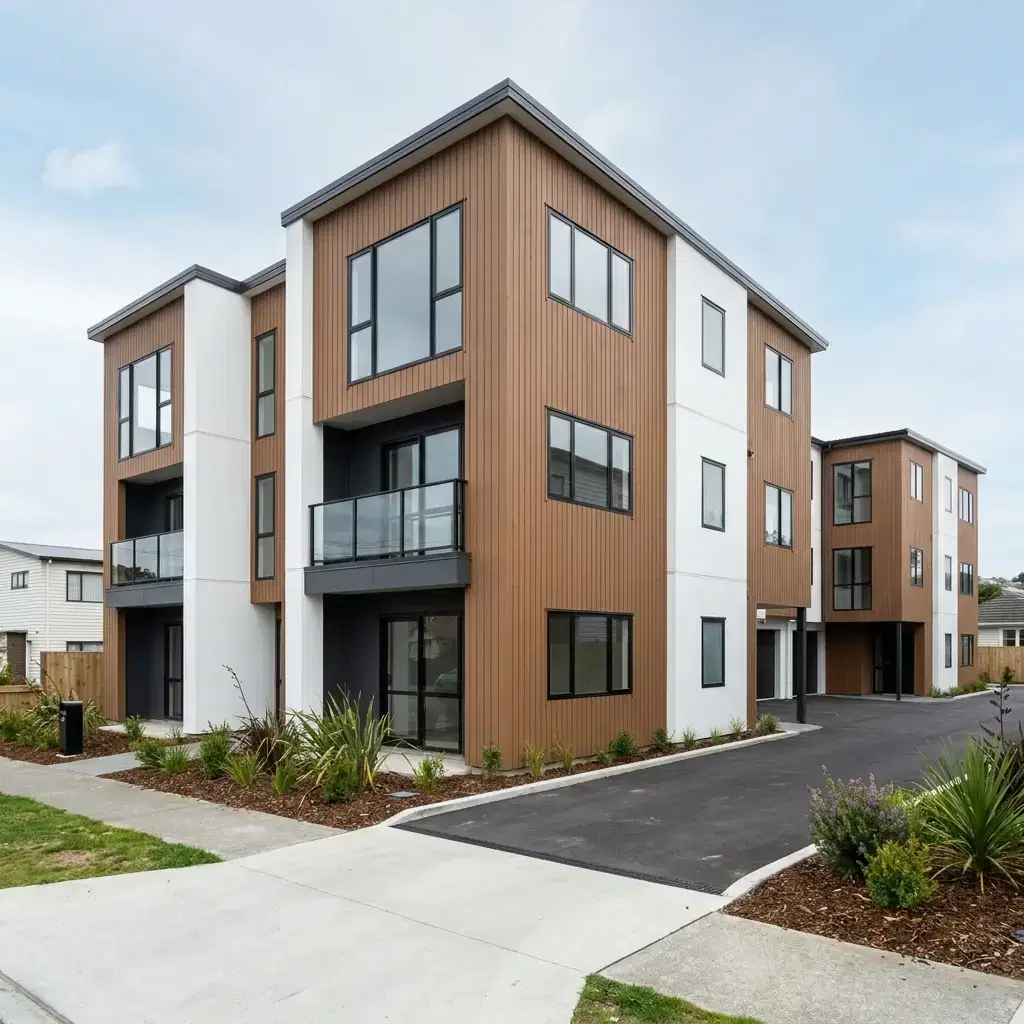
The Plimmerton Farm growth area (5026) is the village’s future, east of SH59: about 383 hectares of farmland rezoned in 2021 for more than 2,000 homes, with Stage One consented at about 1,044 units including apartments up to four storeys, access via James Street. Those homes are not repaint territory yet, and we will not pretend otherwise. When their first recoats come due, the painters who know the village’s weather will be ready. For now it is in this page because it will double the suburb, and Plimmerton homeowners deserve a page that knows it is coming.
Wherever you are in Plimmerton, the pattern is the same: the era tells us the materials, the street tells us the access, and the distance from the water tells us the system. That is the difference between a painter who works in Plimmerton and one who just drives through it. Call us for a free quote and we will come and read your house properly.
Our Step-by-Step Professional Painting Process
Free Consultation
We visit your Plimmerton home, from the station quarter to Karehana Bay, look at the surfaces, access and salt exposure, test older paint for lead where the era fits, flag anything that needs asbestos testing, and give you a written quote with the work broken down. No obligation, no pressure.
Careful Area Setup
We protect your floors, furniture, gardens and paths, set up safe access and scaffold on the hill streets, and keep the site tidy and secure from day one.
Thorough Surface Preparation
We wash the surfaces, salt wash included (soft wash only on asbestos era materials, never a waterblast), scrape and sand back to sound paint, treat mould and rust, repair rot and cracks, and prime bare timber and repairs the same day they are exposed.
Premium Paint Application
Two coats of premium paint matched to your exposure, salt zone systems on the beachfront and weather walls, mould resistant systems on the shaded and low streets, applied in the settled weather windows the strait allows.
Inspection & Full Clean-Up
We walk the whole job with you, fix any touch ups on the spot, remove all masking and rubbish, and leave your home cleaner than we found it, with the workmanship guaranteed.
Not in this suburb? We also paint homes across nearby Whitby, Paremata, Papakowhai, Camborne, Titahi Bay and Pukerua Bay, so get in touch for a free local quote.
Why Choose Us, Your Trusted Painting Company in Plimmerton
Capital Painting Services is a family owned and operated painting company based in Whitby, proudly serving Plimmerton, Porirua and the wider Wellington region. Led by Phil, we are passionate about helping homeowners and businesses protect and enhance their properties with high quality interior, exterior, and roof painting services, all backed by guaranteed workmanship.
Why do Plimmerton homeowners choose us?

FAQs
Ready to Give Your Plimmerton Home the Paint Job It Deserves?
Ready to give your Plimmerton home the paint job it deserves? Whether it is a station quarter cottage ready for its next twenty years, a Motuhara Road hill home whose west wall has taken one winter too many, or a Karehana Bay place that needs the full harbour mouth treatment, we would love to help. Call us today for a free quote, and let’s make your place look its best.
Capital Painting Services: professional house painters in Plimmerton. Interior painting, exterior painting, roof painting, plastering, pressure washing and more. Family owned and operated, led by Phil, based in Whitby and working right across Plimmerton. Call 022 071 5878 for your free quote.