
5 Signs Your House Exterior Needs Repainting in NZ
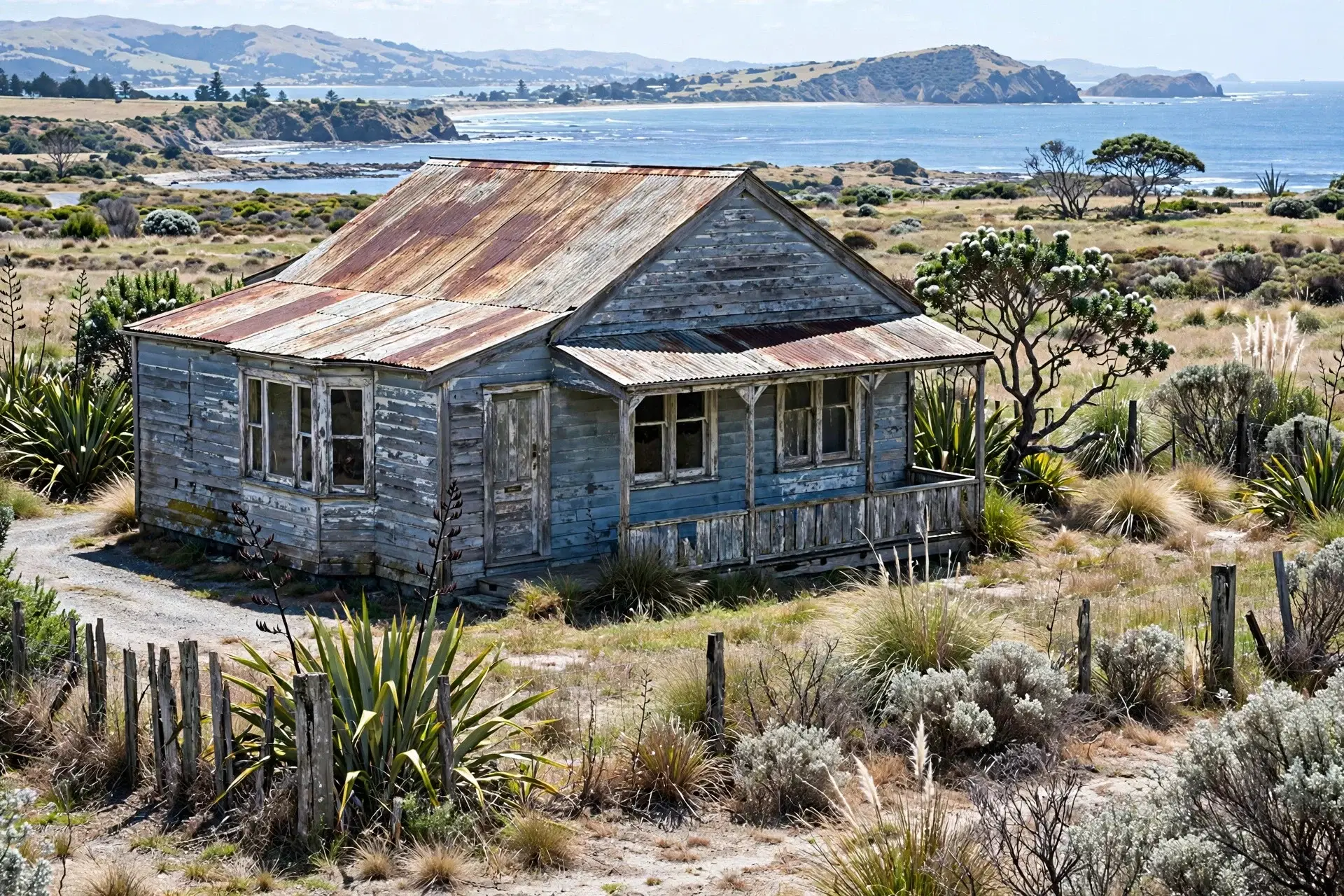
Why repainting your house important? Many people think exterior house paint is only for decoration to make a home look nice. But paint is actually a protective raincoat for your house. It stops rainwater, damp air, and salty sea breezes from touching your wooden boards or plaster walls.
In Porirua, houses face tough weather. We get high winds, heavy rain, and strong sunlight. If you live near the water in places like Titahi Bay or Plimmerton, salt in the air attacks the paint film every day.
If you wait until paint is falling off in big sheets, water is already getting inside your walls. Fixing rotted timber boards can cost thousands of dollars more than a normal paint job.
Here are 5 clear signs that your exterior paint is getting old and needs repainting soon.
1. Chalking (The White Powder Test on Your Walls)
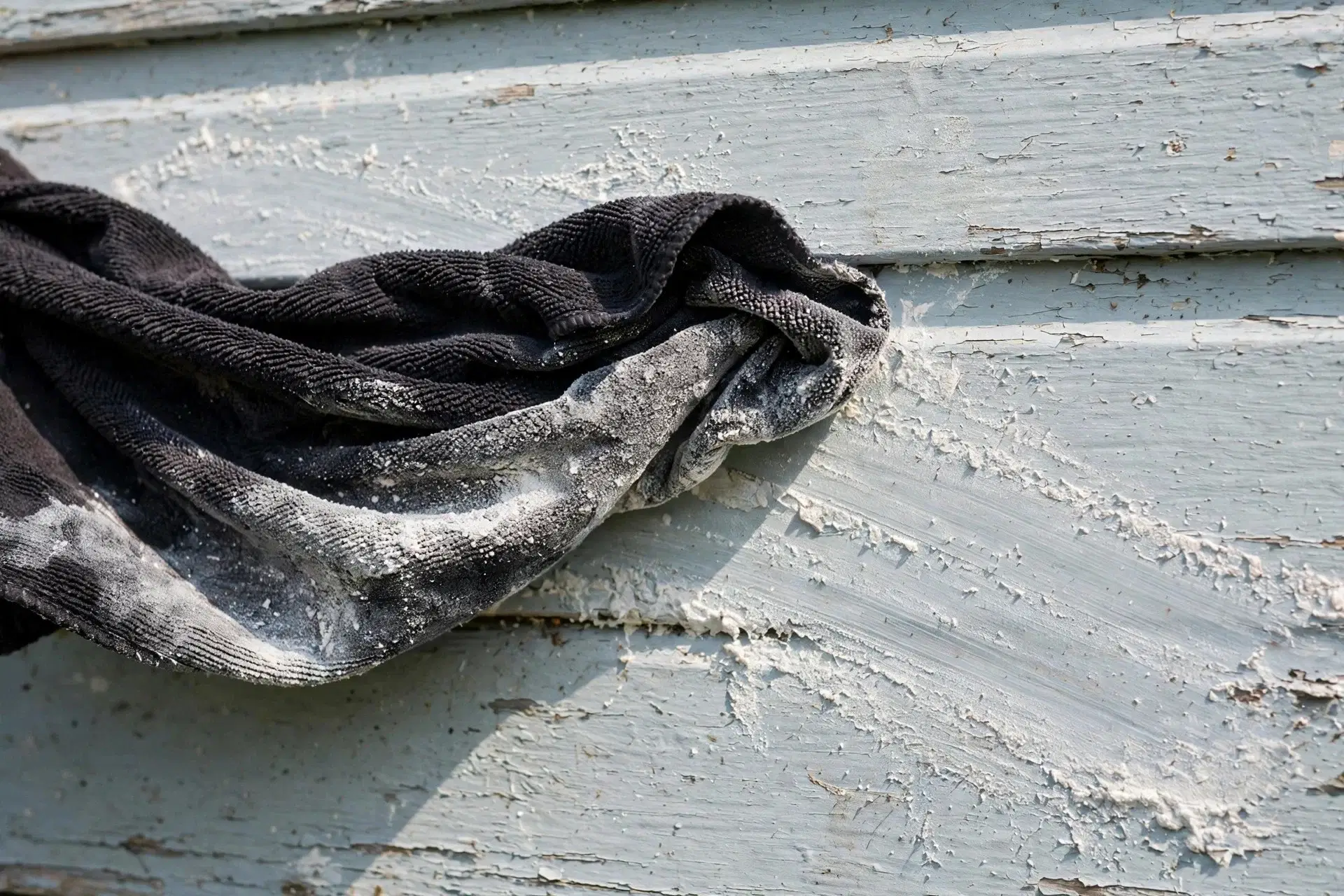
Have you ever walked past your house, touched the wall, and found white powder on your hand? In the painting trade, this is called chalking.
Chalking happens because New Zealand has very strong UV rays from the sun. Over many years, hot sunlight bakes the paint. The clear resin that holds the paint colour together dries up and breaks down into fine dust.
How to do the simple test:
- Walk to the side of your house that gets the most sun (usually the north or west walls).
- Take a dry finger or a dark cloth and swipe it firmly across a weatherboard.
- If your finger or cloth comes away covered in light powder, your paint is chalking.
Chalking is an early warning sign. It means the paint layer is getting thinner. Rain will soon wash away the rest of the protection and reach the wood underneath.
2. Hairline Cracks Around Board Joints and Windows
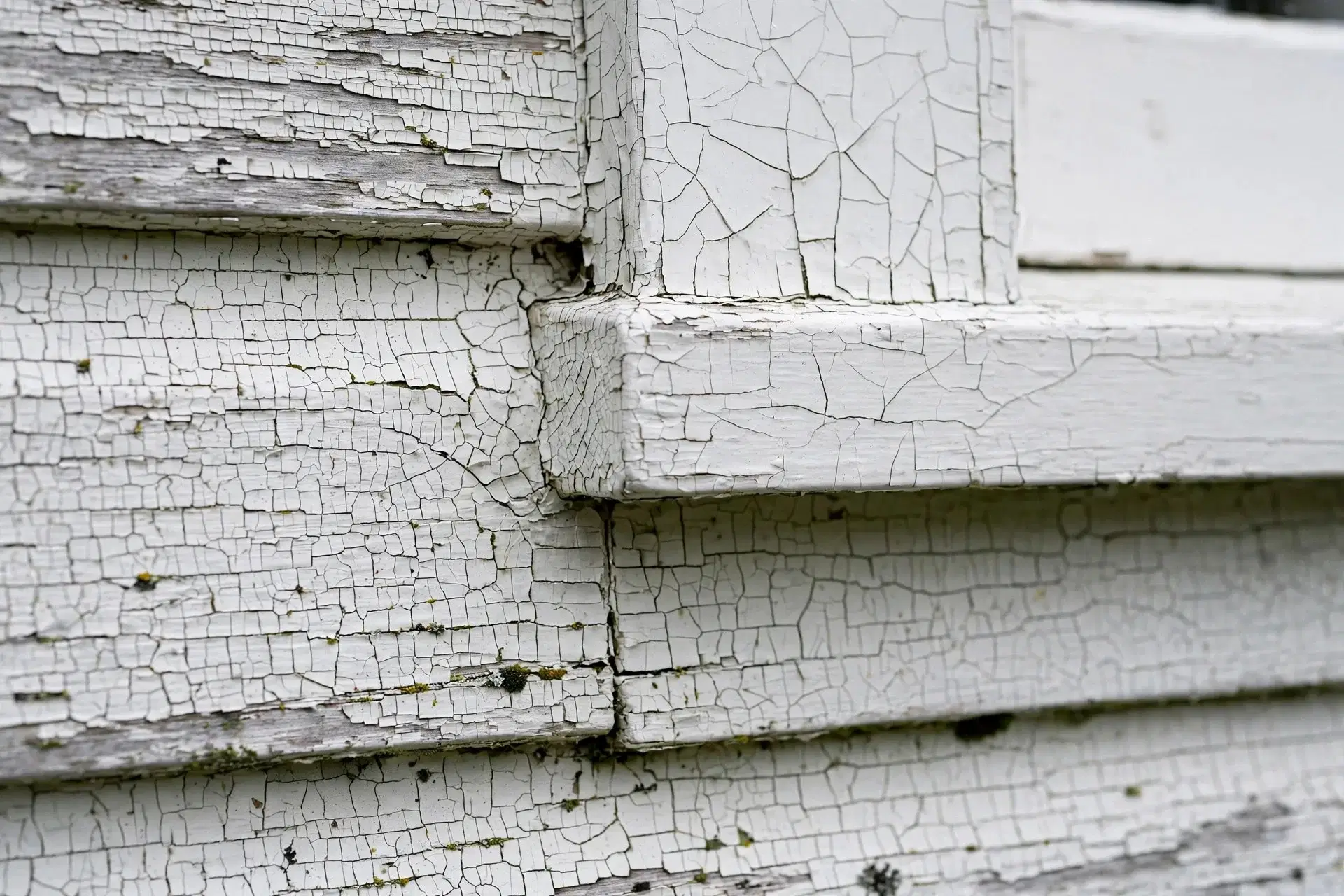
Wood is a natural material that moves. When the weather is wet and cold, timber absorbs dampness and swells bigger. When the summer sun comes out, the timber dries up and shrinks smaller.
Good exterior paint and sealant are flexible and stretch with the wood. But when paint gets old, it turns hard and brittle.
Look closely at these trouble spots:
- Where two weatherboards meet each other (butt joints).
- The corners of your window frames and sills.
- Under the eaves and along the roof edge.
If you see tiny hairline cracks in the paint film or split gaps where the old sealant has dried out, water can easily get behind the boards. Even worse, water enters through the crack during a storm, but it cannot get out easily. The moisture stays trapped inside, and that is how hidden wet rot begins.
3. Paint Bubbling, Blistering, or Peeling to Bare Wood
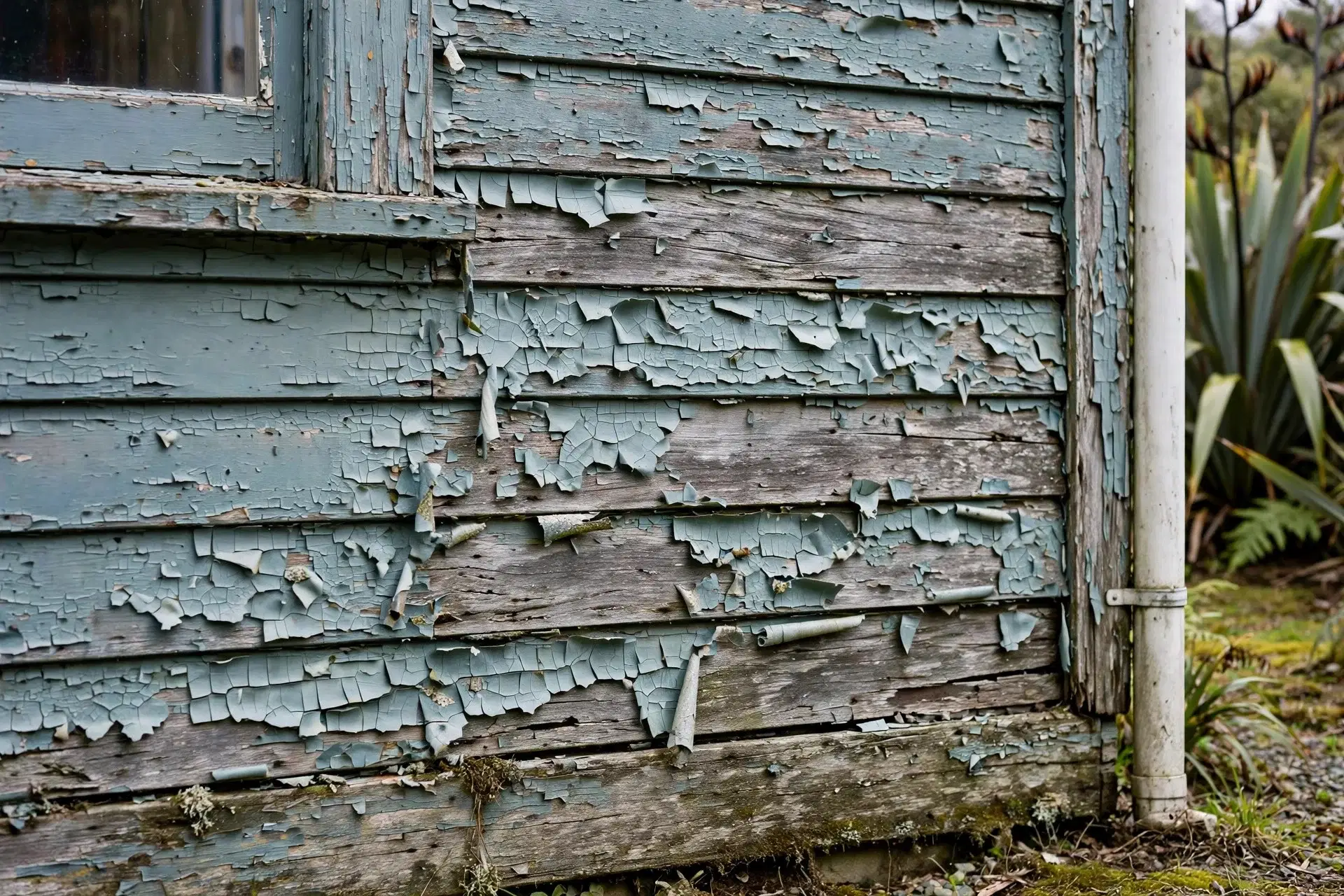
If you see bubbles or blisters on your exterior walls, the paint bond has failed completely.
There are two main reasons bubbles happen:
- Heat blisters: Sometimes thin bubbles happen on very sunny walls if paint was applied on a burning hot afternoon.
- Moisture blisters: Most of the time in Porirua, bubbles mean moisture is trapped behind the paint film. When the sun heats up the damp wall, the moisture turns into warm vapour and pushes the paint outward like a balloon.
If you push a bubble and it cracks open, you will often see bare, grey timber inside. When raw pine or cedar is exposed to sea air and rain, it turns soft and weathers within a few weeks.
Once paint begins to peel back to bare timber, washing the wall will not help anymore. Those spots must be scraped flat, treated, and sealed with a proper primer before new topcoats are applied.
4. Stubborn Mould and Mildew That Returns After Washing
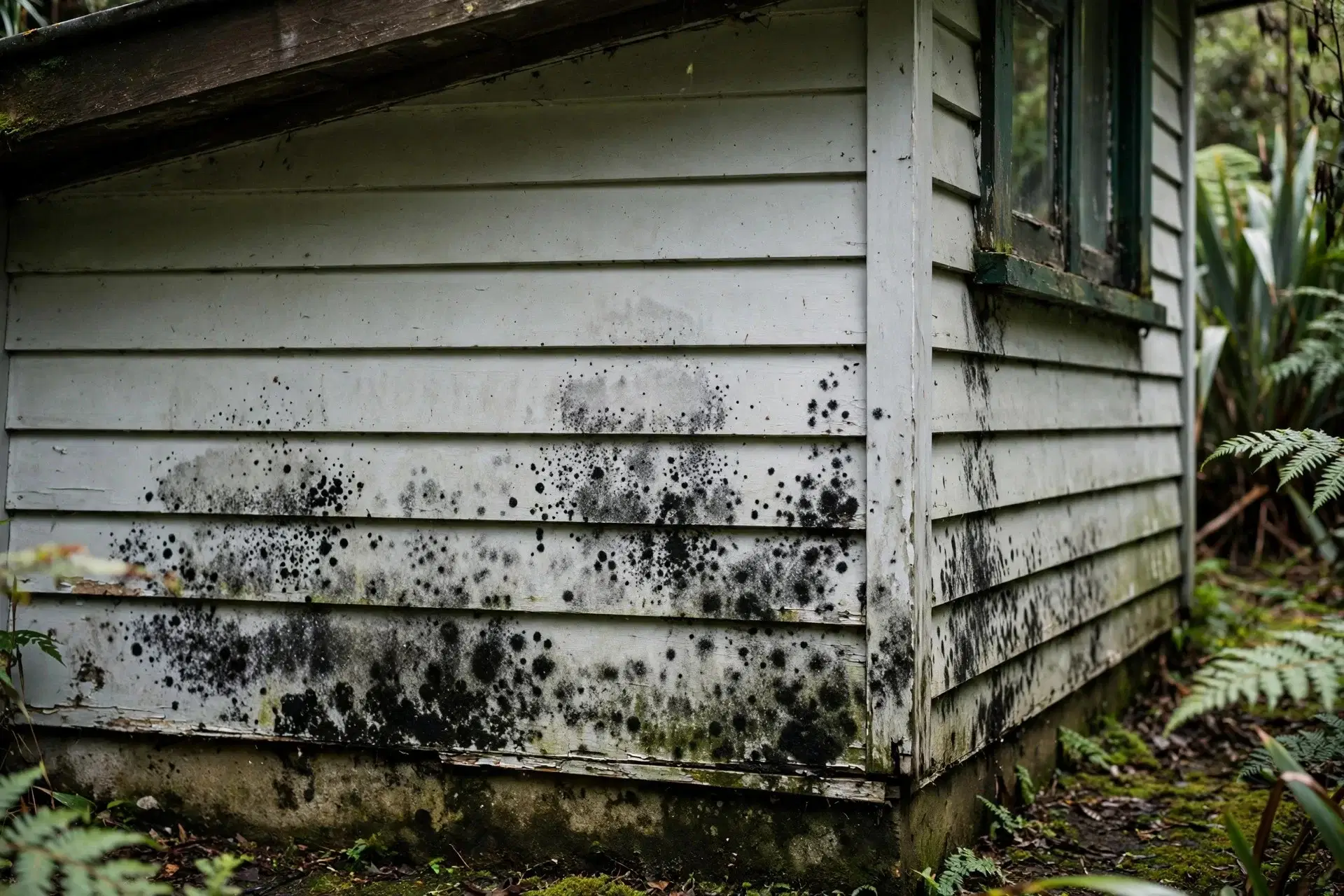
It is normal for houses to get a little bit of green moss or surface dirt over winter, especially on shady walls. Usually, a gentle house wash washes this away easily.
However, if you have dark black spots or grey mould that keeps growing back quickly on your paint, you have a bigger issue.
Old paint loses its special anti-fungal additives over time. When the paint layer becomes porous like a sponge, mould spores grow deep inside the paint film instead of just resting on top.
You see this a lot on shaded south-facing walls, damp valleys around Whitby, or dark porch overhangs. When mould lives inside the paint itself, standard house washing will not keep it away. The whole surface needs an anti-fungal treatment followed by fresh, protective paint coats.
5. Faded Colour and Loss of Sheen
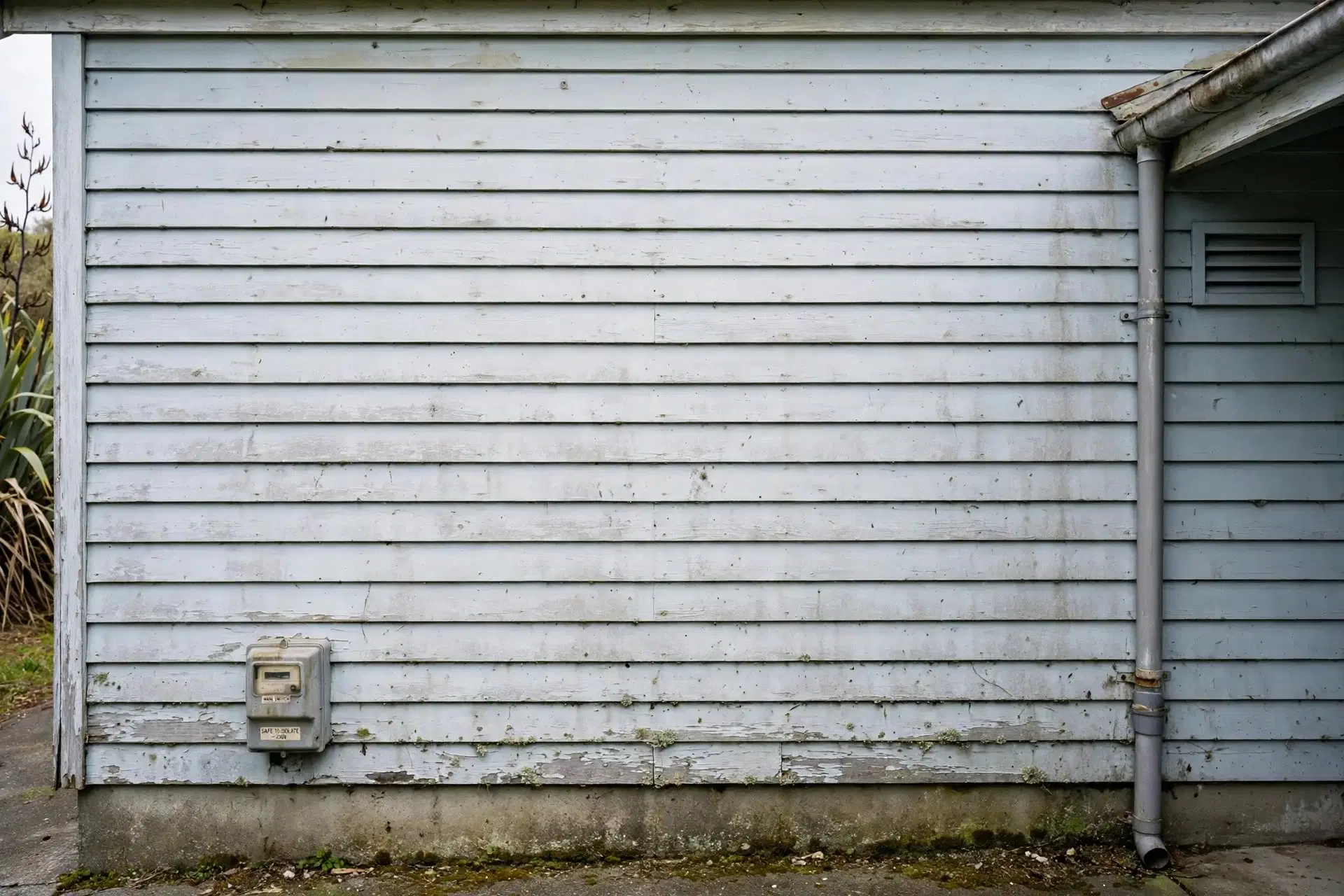
When paint is brand new, it has a healthy sheen (a soft shine) that helps water bead up and roll off the wall, just like water on a freshly waxed car.
Over time, sun and rain wear down that shine. Your rich colours, like dark grey, navy, or deep cream, start to look flat, dusty, and dull.
Loss of sheen is the very first sign that your paint is reaching the end of its life. This usually happens one or two years before you see cracks or peeling.
Catching paint failure at this stage is the best way to save money. If you repaint while the paint is only faded, the painter does not have to spend hours scraping off loose flakes. They can simply wash the house, do light sanding, and roll on new topcoats. Less prep labour means a much cheaper quote for you.
How Often Should You Repaint a House in Porirua?
In New Zealand, most building guides suggest repainting:
- Timber weatherboards: Every 7 to 10 years.
- Stucco and plaster cladding: Every 7 to 9 years.
- Stained cedar homes: Every 2 to 4 years.
However, homes in Porirua often need paint sooner than homes built inland. If your property sits on a windy hill in Aotea or faces ocean winds in Titahi Bay or Plimmerton, salt spray and high winds wear down paint films faster. Checking your walls once a year helps you catch problems before timber rot sets in.
Quick Summary: Which Stage Is Your Paint In?
| What You See on the Wall | What It Means | What Needs Doing |
|---|---|---|
| Dull, flat colour | Early wear from sun | Plan a repaint in the next 1-2 years |
| Powder on your hand (chalking) | Paint film is thinning | Needs repainting soon to protect wood |
| Hairline cracks at joints | Water can enter | Needs sealing and repainting before winter |
| Bubbling or peeling flakes | Active moisture behind paint | Needs immediate prep, scraping, and painting |
| Soft or spongy wood | Wood rot has started | Damaged timber must be replaced |
Check Your Home Before the Wet Weather Hits
Looking after your exterior paint is the easiest way to keep your home warm, dry, and protected for years to come. If you notice chalking, cracks, or peeling paint on your boards, do not leave it for another cold winter.
At Capital Painting Services, we inspect homes all across Porirua, Whitby, and the wider Wellington area. Our exterior painting team checks your cladding for moisture, shows you where paint is wearing thin, and gives you an upfront, fixed quote with no hidden surprises.
Contact our team today to book your free on-site assessment and quote.


