House Paint Fading: Why It Happens, How to Prevent It, and How to Fix It
Finding that your house paint is fading is a common disappointment for many homeowners. You spend time and money picking the perfect shade of dark blue, deep green, or warm charcoal, and just a few years later, your walls look dull, tired, and patchy.
Many people think that exterior paint fading is only a cosmetic issue. In reality, fading is an early warning sign that your paint film is beginning to wear out. Paint acts like a protective skin for your home. When colours start to wash out, the protective shield that keeps moisture, rain, and salty sea breezes away from your timber weatherboards or plaster cladding is breaking down.
In New Zealand, and especially around coastal areas like Porirua and Wellington, our sunny days are strong and our coastal air is tough on exterior walls. Understanding why house paint fades will help you choose better colours, protect your timber, and save thousands of dollars on premature repairs.
Key Takeaways
Fading means the paint binder is failing: Sunlight does not just bleach the colour; it breaks down the clear resins that glue the paint to your wall.
Bright, organic colours fade fastest: Deep reds, bright blues, and vibrant yellows fade years faster than natural earth tones, tans, and off-whites.
North and west walls take the most damage: Walls facing the afternoon sun receive the highest amount of UV rays and heat, making them fade much faster than shaded south-facing walls.
Catching fading early saves money: Repainting while the wall is only faded requires simple washing and two topcoats. Waiting until the paint cracks or peels means expensive scraping and priming.
What Causes House Paint to Fade? (The Science Made Simple)
Exterior paint is made of three main ingredients: pigment (the colour powder), binder (the clear resin that cures into a tough plastic skin), and liquid carrier (water or solvent that keeps the paint liquid until it dries).
When these ingredients are attacked by outdoor elements, the paint begins to degrade.
Harsh UV Radiation and High New Zealand Sunlight
New Zealand has very clear skies and an elliptical orbit that brings us closer to the sun during our summer months. Because of this, our peak summer UV index is roughly 40 percent higher than at similar latitudes in Europe or North America.
Ultraviolet (UV) light is strong energy. When UV rays hit your exterior walls all day, they break the chemical bonds inside the colour pigments. Once those bonds break, the pigments lose their ability to reflect light correctly, and the colour begins to bleach out into white or dull grey.
Organic vs Inorganic Pigments (Why Some Colours Bleach Quickly)
Not all paint colours are made from the same raw materials. Colour pigments fall into two general groups:
Organic pigments: These are complex, carbon-based chemical dyes used to create bright, vibrant colours like fire-engine red, rich sunny yellow, deep emerald green, and bright royal blue. Organic pigments are sensitive to UV radiation and break down very quickly under direct sunlight.
Inorganic (mineral) pigments: These are made from natural ground earth minerals, iron oxides, and clays. They create earthy colours like ochre, terracotta, beige, brown, slate grey, and off-white. Mineral pigments are extremely stable under the sun and can handle years of direct UV exposure without losing their shade.
If you paint your exterior walls with a bright organic colour, do not be surprised if it fades noticeably in only three to four years. An earthy mineral colour applied on the same wall can easily keep its colour for ten years or more.
Low-Quality Paint and Thin Binders
Cheap paints use less pure acrylic resin and pack the bucket with cheap chalk and talc fillers to keep the price down. High-grade premium paints use 100 percent acrylic binders.
A high-grade binder surrounds the pigment particles and protects them from air and sun. In low-quality paint, the weak binder degrades within a couple of summers. Once the binder dries out, the pigment is left unprotected to fade away.
Ocean Salt Spray and Environmental Wear
For homes across Porirua, Titahi Bay, Plimmerton, and Pukerua Bay, airborne ocean salt is an everyday reality. Wind carries fine salt mist miles inland. When tiny salt crystals land on your walls, they sit under the hot sun and bake into the paint surface. Combined with wind-blown dust, this salt crust speeds up surface wear and strips away the paint’s healthy sheen.
Is Faded Paint Just Ugly, or Is It Damaging Your Home?
Many homeowners ignore faded paint because they think it is just an appearance issue. This is a big mistake.
Fading is the first step in a chain reaction called chalking.
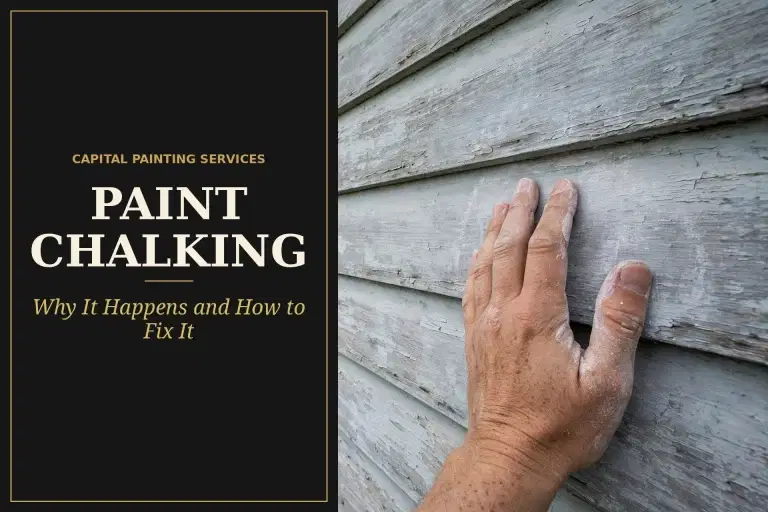
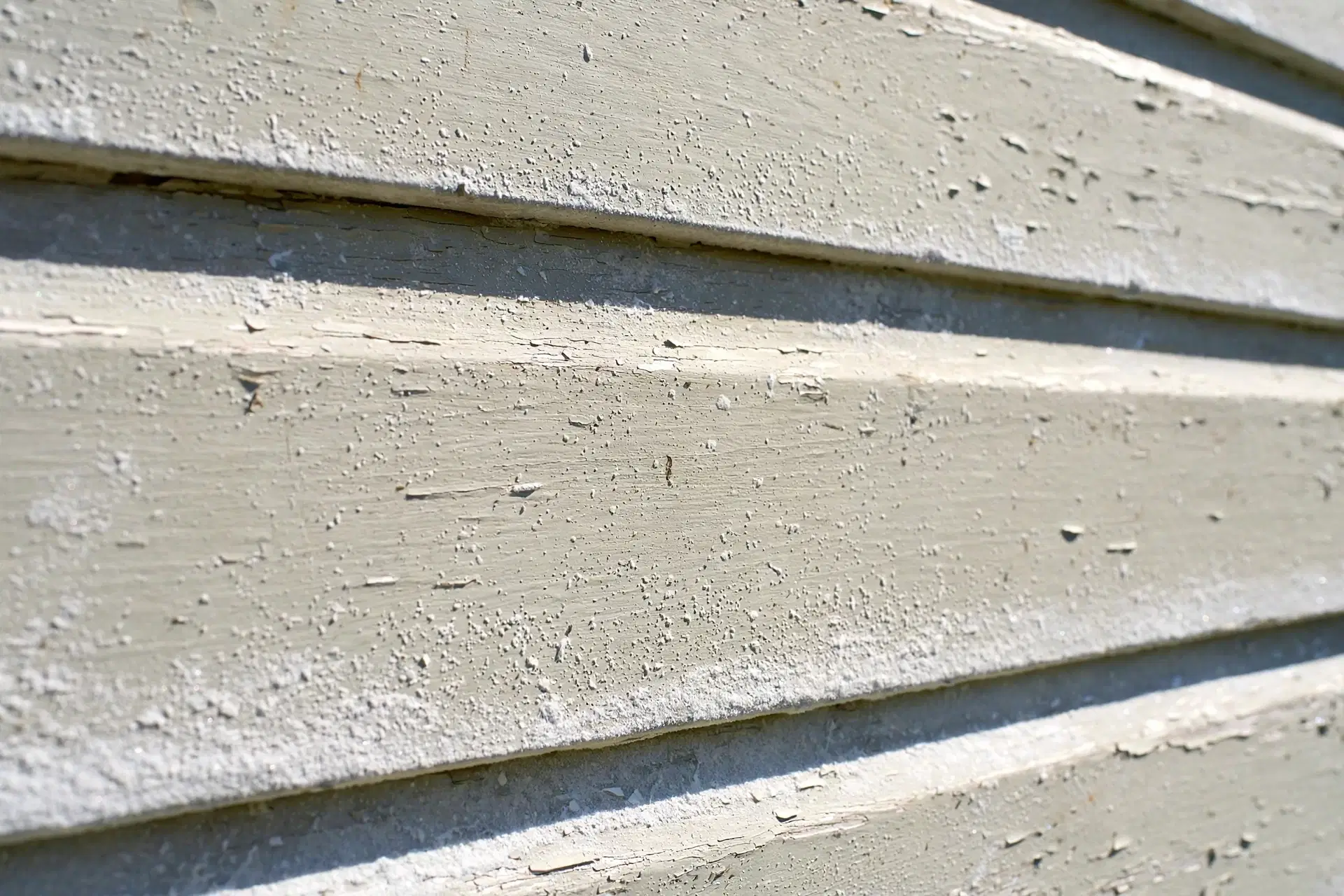
When UV rays break down the colour pigment, they also destroy the acrylic resin holding the surface together. The resin turns into a dry, loose white powder that you can wipe off with your finger.
Once your paint begins to chalk:
- The protective paint film becomes thinner and thinner as rainwater washes away the loose powder.
- The paint loses its flexible, waterproof seal and becomes porous, acting like a dry sponge.
- Rainwater and damp morning dew soak through the porous paint and reach your timber weatherboards or plaster.
- The trapped moisture causes timber to swell, splitting the paint at the joints, and hidden rot begins behind the wall.
Faded paint is a clear warning sign. It tells you that your home’s protective raincoat is wearing thin and will soon stop keeping water out.
Which Paint Colours Fade the Fastest on New Zealand Homes?
If you are choosing exterior colours for your home, knowing which shades stand up to sunlight will save you a lot of maintenance headaches.
| Colour Category | Pigment Composition | Fade Resistance | Time Before Visible Fading |
| Off-Whites, Creams, Beiges | Mineral (Titanium Dioxide and Earth Oxides) | Excellent | 10 to 12+ years |
| Earthy Greys, Browns, Ochres | Inorganic Iron Oxides | Very Good | 8 to 10 years |
| Muted Dark Greys and Charcoals | Carbon Black and Iron Oxides | Good (absorbs heat, but resists bleaching) | 6 to 8 years |
| Deep Forest Greens | Mixed Organic and Mineral | Moderate | 4 to 6 years |
| Vibrant Reds, Yellows, Bright Blues | High-load Organic Dyes | Poor | 2 to 4 years |
If you want a low-maintenance exterior that keeps its fresh look for as long as possible, choose soft, mineral-based tones. If you really love vibrant reds or rich greens, use them as accent colours on your front door or sheltered porch areas where the sun does not hit them directly.
Why Does One Side of the House Fade Faster Than the Others?
It is very common to see a house where the front looks almost new, but the back looks washed out and tired. This happens because of sun orientation.
In New Zealand, the sun tracks through the northern sky:
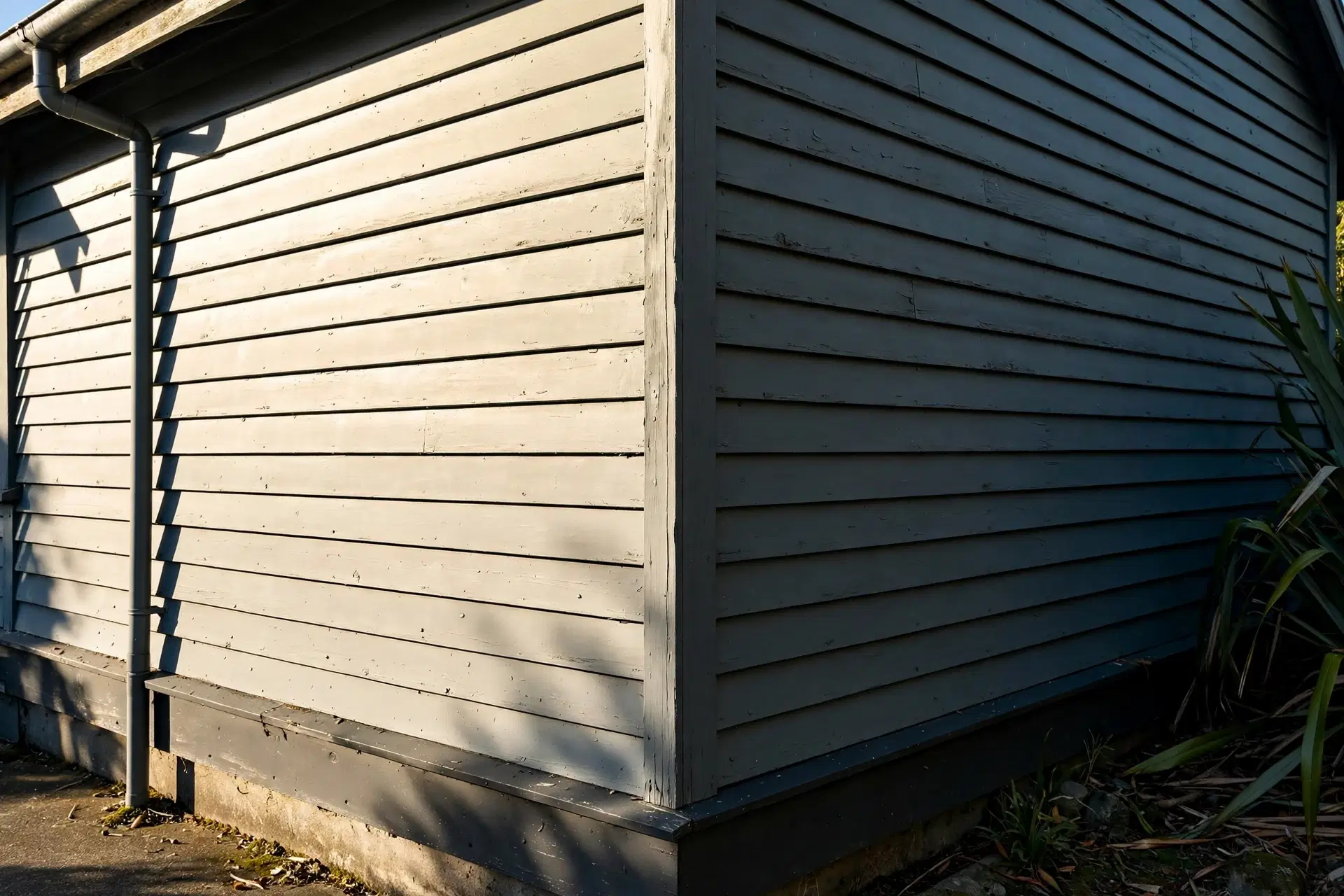
North-facing walls get steady, direct sunlight throughout the middle of the day when UV rays are strongest.
West-facing walls take the blunt force of hot afternoon sun. By the time the sun hits western walls, the air is at its hottest, causing intense thermal stress that bakes the paint film.
South-facing walls sit in cool shade for most of the year. They receive very little direct UV radiation, so their colour often looks brand new for ten years (though they face the opposite problem of green moss and mould).
When inspecting your home, always look at your north and west walls first. They will show colour loss and chalking years before your southern walls do.
How to Prevent Exterior Paint From Fading Prematurely
You cannot stop the sun from shining, but you can take practical steps to make sure your paint job lasts as long as possible.
1. Choose 100% Acrylic Exterior Formulations
Never buy cheap interior-exterior crossover paints or vinyl-modified coatings for outside walls. Always choose premium 100 percent acrylic formulations from proven New Zealand trade brands, such as Dulux Weathershield or Resene Sonyx 101. Premium acrylics are designed with elastic polymers that stretch with temperature changes and include UV-blocking additives that protect the colour particles underneath.
2. Pick UV-Stable Mineral Colours (or CoolColour Technology)
Stick with earthy, natural tones for large cladding areas. If you prefer modern dark colours like deep charcoal or black, make sure the paint is tinted using infrared-reflective technology (such as Resene CoolColour or Dulux Coldshield). These special formulas reflect heat away from the wall, keeping the timber cooler and reducing the heat stress that causes paint films to degrade.
3. Apply the Full 3-Coat System (Never Settle for One Coat)
Paint durability relies on film thickness. The thicker the properly cured paint film is, the longer it takes for UV light to break through it.
- Always spot-prime bare spots and timber repairs with an appropriate exterior primer.
- Follow with two full, unthinned topcoats.
- Painters who water down paint or roll on only one quick coat leave a micro-thin layer that will bleach out within two summers.
4. Wash Your House Cladding Annually
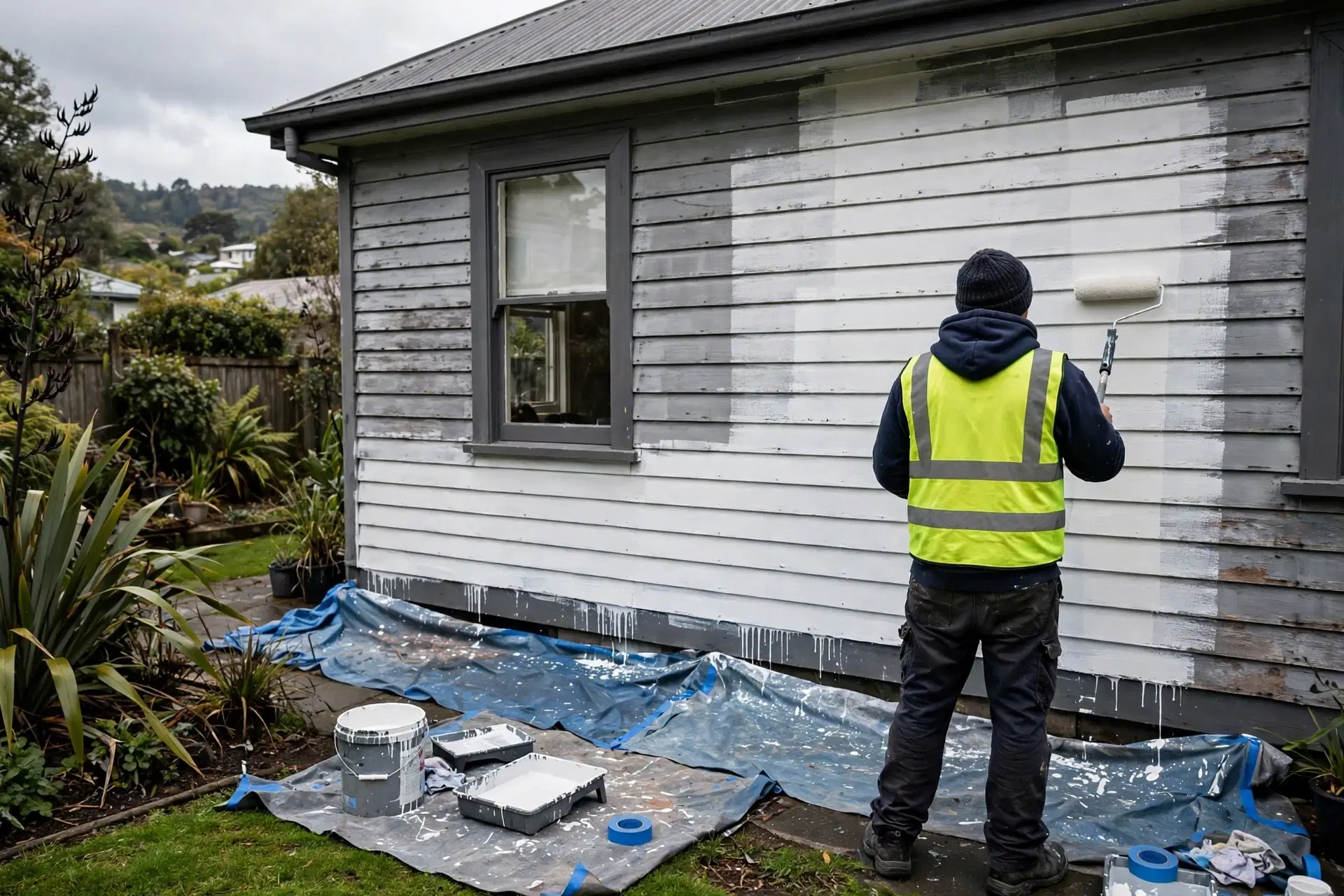
Giving your home an annual gentle soft wash with clean water and mild exterior detergent washes away airborne salt crusts, road pollution, and bird droppings. Leaving salt on your walls creates a corrosive layer that damages the paint’s clear binder when heated by the sun. Regular cleaning keeps the paint surface clean and helps the sheen last much longer.
How to Fix Faded House Paint (Can You Just Wash It?)
Homeowners often ask: “My paint looks dull and dusty. Can I just wash it to bring the colour back?”
You can test your walls yourself with a simple trick called the Wet Sponge Test:
- Take a clean sponge soaked in plain water.
- Wipe a wide stripe across your most faded, sunny weatherboard.
- Watch what happens while the wall is wet:
If the colour instantly turns deep and rich again: The pigment inside the paint is still alive. The surface has simply lost its sheen or has a light coating of chalky dust. A thorough soft wash may buy you another season or two of acceptable looks.
If the wall stays dull, pale, or milky even while wet: The colour pigment is bleached out and dead. Washing will not fix it. The paint film has broken down and must be repainted.
How to Repaint Faded Cladding Properly
When repainting faded walls, do not just roll fresh colour straight over the dust. Follow these steps:
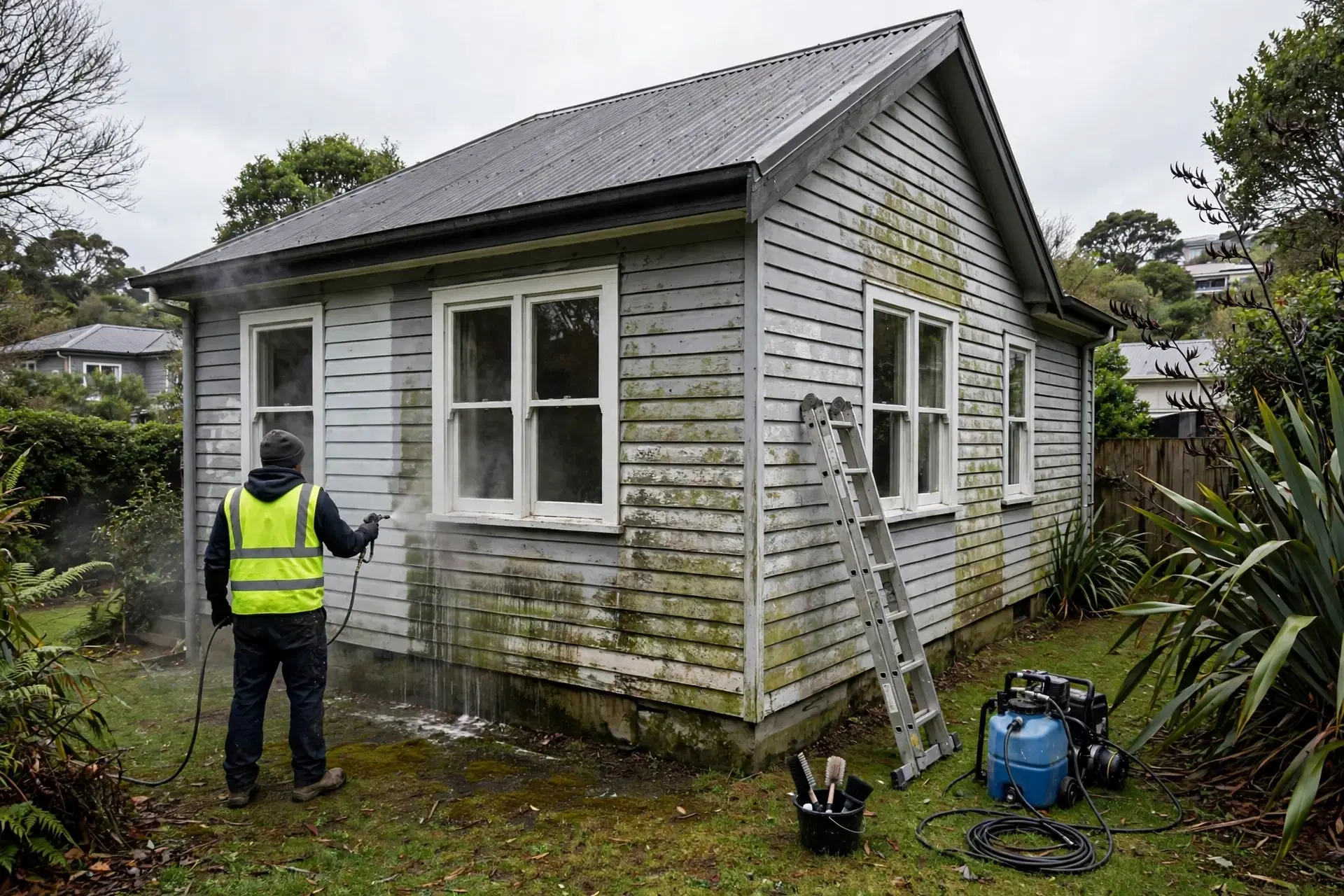
- Low-pressure wash: Wash the house thoroughly with a soft-wash detergent to remove all loose chalking powder, salt, and dirt. Never use high-pressure blasting close to timber, as it forces water behind the boards.
- Light sanding: Sand the clean surface lightly with fine sandpaper to remove any remaining dead paint skin and create a fine grip for the new coat.
- Spot-prime repairs: Apply exterior primer to any exposed wood, bare nail heads, or cracked filler patches.
- Apply two UV-resistant topcoats: Roll and brush two full coats of premium exterior acrylic paint, allowing adequate drying time between coats.
When to Repaint vs When to Live With the Fading
Not every faded wall needs an emergency paint job this weekend. Use this simple guide to decide what to do:
Wait and Monitor (1 to 2 years left): The colour is slightly lighter than it used to be, but the paint surface is smooth. Water still beads up and rolls off during a rainstorm. When you rub the wall with a dry finger, no white powder comes off.
Plan to Repaint This Season: The colour is noticeably washed out and uneven. When you touch the sunny side of the house, chalky powder comes off on your hand. Hairline cracks are starting to appear near window sills and corner joints.
Repaint Immediately (Water Risk): The paint has lost its colour completely, looks grey or milky, and has started cracking, blistering, or flaking off to reveal bare timber. Water is now getting into your cladding.
Catching your home at the “faded and chalking” stage is the smartest way to save money. The painter only needs to wash the walls, carry out light sanding, and apply two fresh coats. If you wait until the paint cracks and flakes, the painter must spend days scraping, stripping back failed paint, and filling holes, which can double your total labour cost.
Frequently Asked Questions About House Paint Fading
Why did my dark paint fade so fast?
Dark colours absorb significantly more heat from the sun than light colours. This high surface temperature breaks down the paint binder faster. Furthermore, dark shades often contain organic tinting pastes that are naturally more sensitive to UV bleaching.
Can faded paint cause water leaks?
Yes. Fading is the first stage of paint breakdown. When pigment fades, the protective binder holding the paint together is drying out. Once the binder degrades, the paint film becomes porous, allowing rainwater and moisture to soak through to the timber or plaster behind it.
Does high-gloss paint resist fading better than low-sheen paint?
Yes. High-gloss and semi-gloss paints have a higher ratio of resin binder to pigment, creating a smoother, denser surface. Sunlight bounces off the shiny surface more easily, which helps the paint resist UV wear longer than flat or matte paints.
Can you put a clear coat over faded house paint to restore shine?
No. Rolling a clear coat over faded, chalking exterior paint will fail very quickly. The clear coat cannot stick properly to the degraded, powdery layer beneath it and will turn cloudy, bubble, and peel off in large sheets within months. You must wash, lightly sand, and apply fresh coloured topcoats.
How many years should exterior paint last before fading in New Zealand?
In New Zealand, a quality exterior paint job using a 100 percent acrylic system should look good for 7 to 10 years on timber weatherboards, and 8 to 10 years on plaster. However, north-facing walls and homes exposed to coastal salt winds in places like Porirua may show noticeable fading around year 5 or 6 if bright organic colours were used. Lighter mineral colours are the exception: they can hold their shade for 10 to 12+ years before visible fading, as the table above shows.
Protect Your Home’s Colour and Cladding in Porirua
If your home’s exterior is looking tired, dull, or chalky, do not wait until water gets behind the boards and causes expensive timber rot. Taking care of faded paint early keeps your home looking great and protects its value for years to come.
At Capital Painting Services, we help homeowners across Porirua, Whitby, Titahi Bay, Plimmerton, and the wider Wellington area keep their homes protected. We understand local coastal weather, know which paint systems handle strong New Zealand sunlight, and provide clear, honest advice on colour selection.
Learn more about our exterior painting services in Porirua.
Contact our team today to arrange your free on-site assessment and quote. Call 022 071 5878 or visit our contact page.