Paint Chalking: Why It Happens and How to Fix It
You run your hand across a wall, and it comes away covered in fine white powder. Maybe you spot pale dust on the floor beside the skirting board. Or your dark weatherboards look washed out, and your fingers turn white when you touch them.
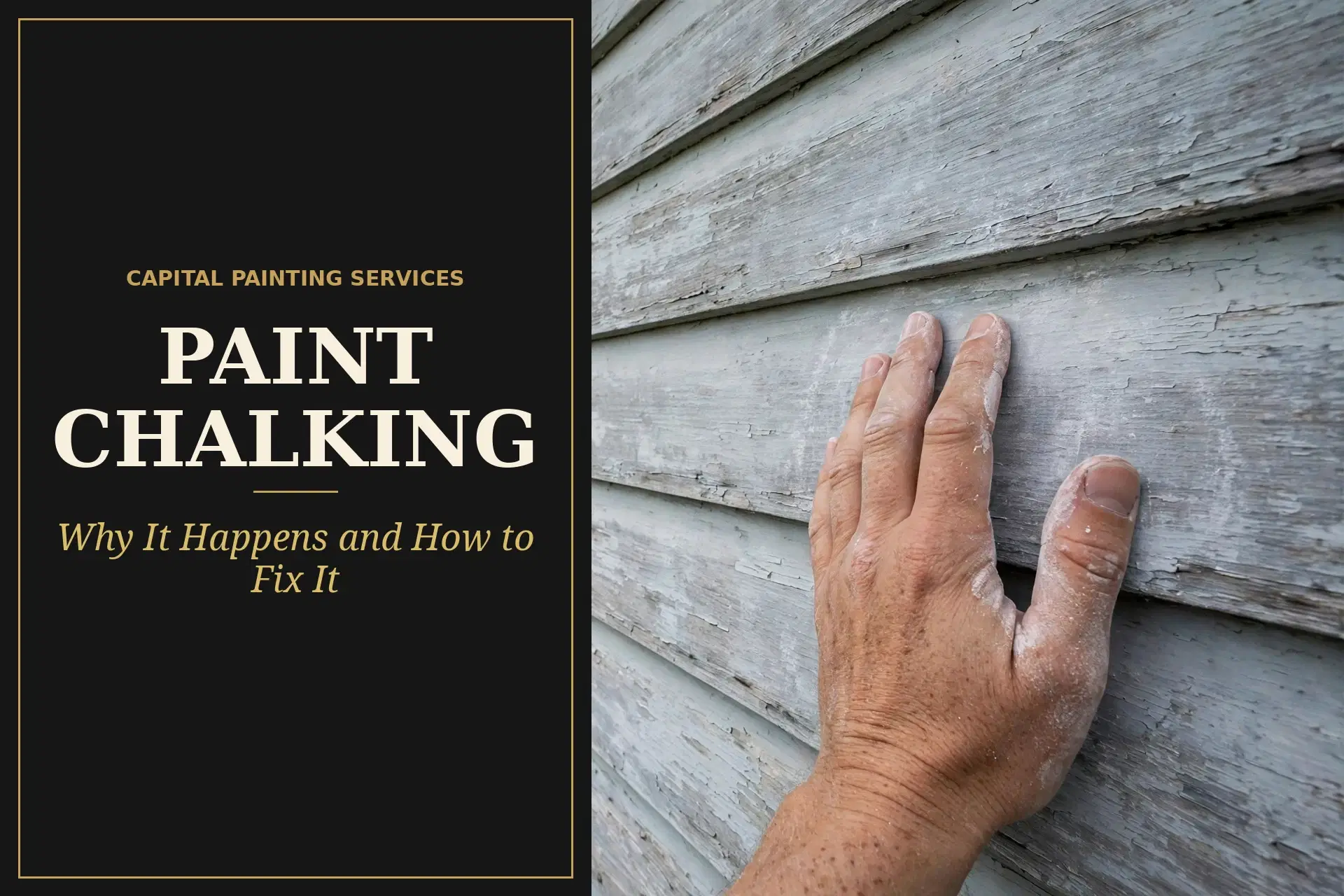
That powder is called paint chalking. It is one of the most common paint problems in New Zealand homes, and one of the most misunderstood.
Some chalking is normal. Heavy chalking is a warning sign. And sometimes the white powder is not chalking at all. It can be damp salts, leftover soap, or even mould. Fixing the wrong problem wastes time and money, so this guide helps you work out what you are dealing with first.
Below you will learn what causes chalking, how to tell it apart from look-alikes, how to fix it step by step, and when to call a professional painter.
Key Takeaways
- Chalking is binder breakdown. The clear resin that holds the paint together wears away and leaves loose colour powder on the surface.
- The rub test comes first. Wipe a dark cloth across the wall, and if white or coloured powder comes off, it is chalking.
- Chalk must come off. New paint cannot grip a powdery surface, so wash the wall, let it dry and prime it before you repaint.
- Damp looks similar. If white powder keeps coming back in the same spot, check for moisture before you paint again.
What Is Paint Chalking?
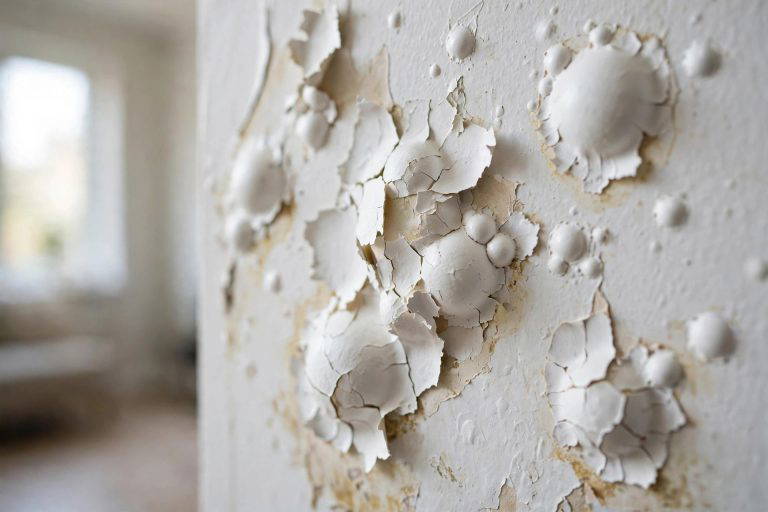
Paint chalking is a fine, loose powder that forms on the surface of paint as it ages. It happens when the binder, the clear resin that holds the colour together, breaks down. The pigment is left sitting on top of the wall, so it rubs off on your hand, a cloth or your clothes.
Paint has three main parts: pigment (the colour), binder (the resin that works like glue) and liquid that evaporates as it dries. Once dry, a thin layer of resin sits on the surface and locks the pigment in place. Over the years, sunlight, moisture and heat wear that resin layer away. When the pigment is no longer held in, it wipes off easily.
Chalking is most common on outside walls. But it can also happen indoors, especially with cheap paint, thin coats, or walls that are affected by moisture.
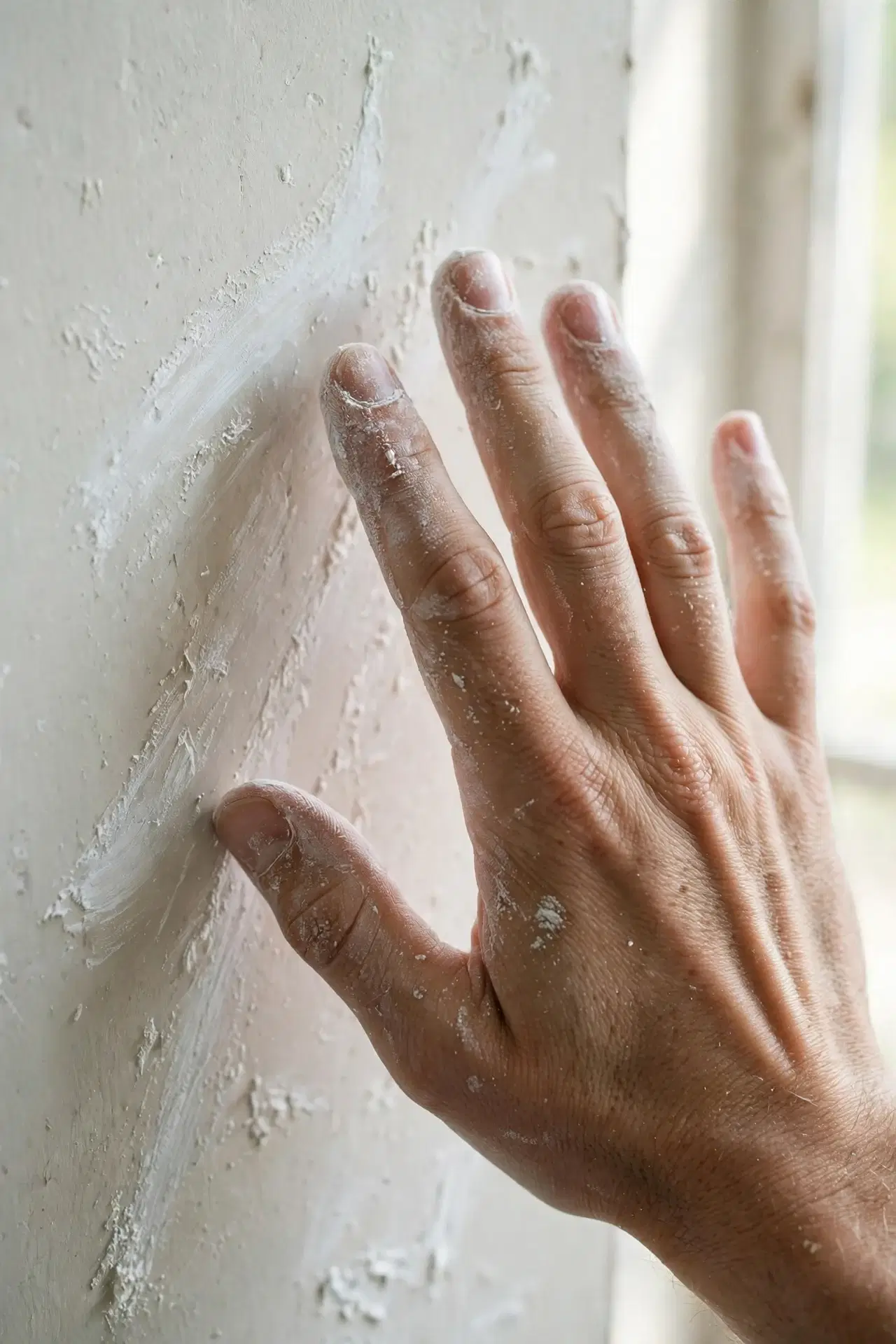
What Does Chalking Look and Feel Like?
- A powdery surface feels dusty or like a blackboard when you run your hand over it.
- White residue comes off on your fingers, a cloth or your clothes.
- Dull colour is common, and dark shades often look pale or grey.
- Pale streaks can appear below exterior walls, where rain washes the powder over brick, concrete or paving.
- Uneven patches are typical, with the sunniest wall usually chalking first.
Is Paint Chalking Normal?
Yes, up to a point. Paint makers like Resene and Dulux both say that nearly all paint chalks a little once it is exposed to the weather. Light chalking is simply the way a paint film wears out over time.
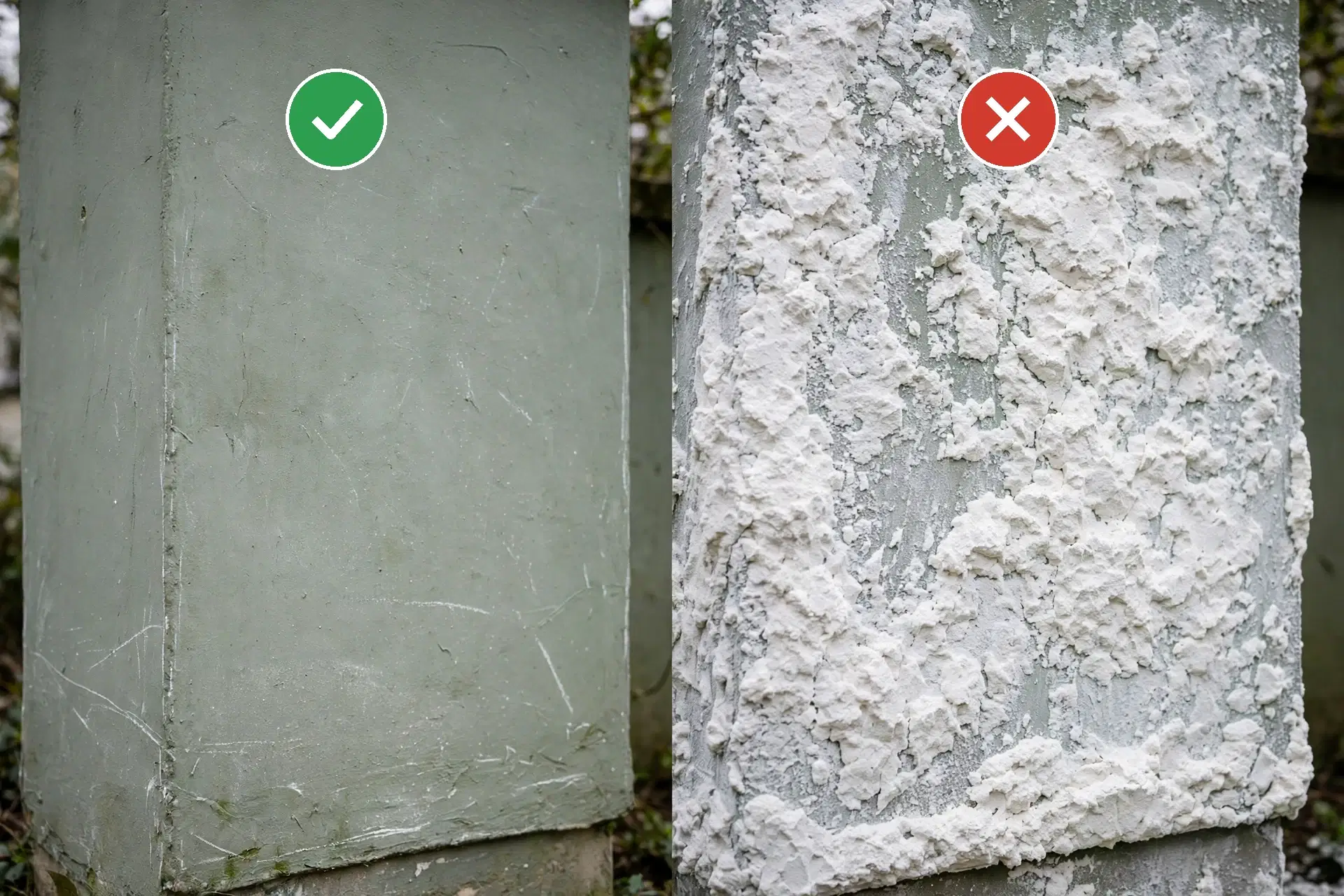
A small amount can even be helpful. On white and light colours, light chalking carries away a little dirt and mould as it wears.
Heavy chalking is the problem. When the powder is thick, it causes four things:
- The paint film thins, so the wall has less protection from rain.
- The colour fades, and the wall looks tired and uneven.
- Powder runs down and stains brick, concrete and paths below.
- New paint will not stick, because it bonds to the powder instead of the wall.
Chalking and fading often happen together. Our guide to house paint fading explains how colour loss and chalking are linked.
Is It Really Chalking? How to Tell What the White Powder Is
Plenty of people search for “white powder on painted walls” and assume it is chalking. Often it is. But a few look-alikes need a completely different fix.
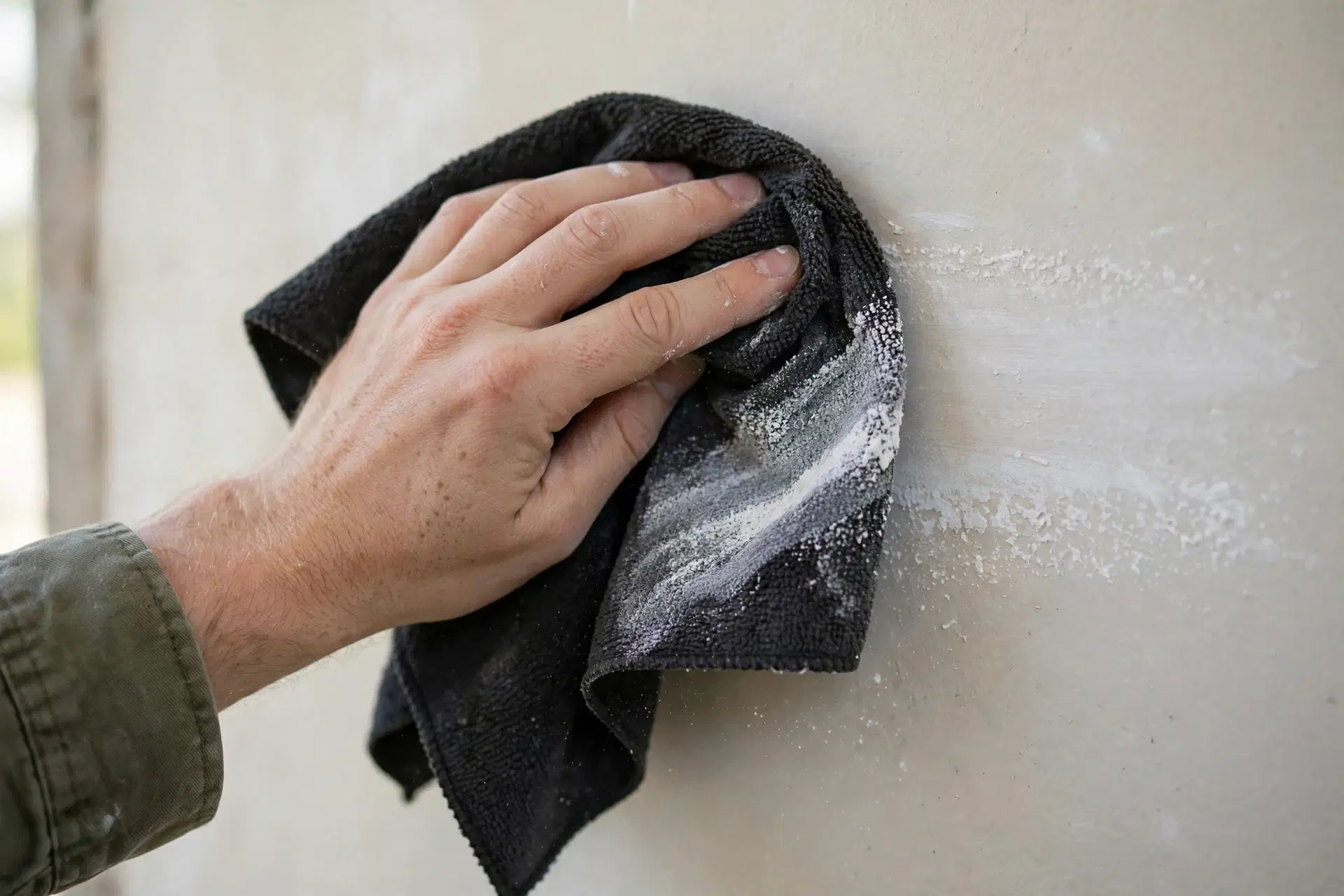
Start With the Rub Test
- Rub a dry finger or a dark cloth across the paint with light pressure.
- If fine white or coloured powder comes off, you have chalking.
- If the residue is crusty, sticky, or dark, something else is going on.
Questions a Painter Asks First
Before a painter touches a wall, they want a few answers. Ask yourself the same questions:
- What is the surface? Plaster, brick, GIB, weatherboard, concrete and render all behave differently.
- Is it inside or outside? Outside walls point to sun and weather, while inside walls point to paint quality or moisture.
- What is behind the wall? A shower, a leak, a chimney or an outside wall can all cause moisture problems.
- Is it even or patchy? Powder in one spot usually means a local cause like damp.
- Does it come back? If the powder returns within months of cleaning, the paint may not be the only problem.
Chalking vs Damp Salts vs Leaching vs Mould
Efflorescence happens when water dissolves salts inside plaster, brick or concrete. The water travels to the surface, then dries and leaves white crystals behind. If you see it, the wall has a moisture issue that paint alone will not solve.
Surfactant leaching shows up on newly painted walls, often in cool, damp or humid weather. Modern paint contains wetting agents, and they can rise to the surface before the paint fully cures. Plain water usually removes them, and the problem often fades within a few weeks.
Mould is usually dark and fuzzy rather than powdery. If you suspect it, read about our mould removal service before you wipe or paint over it.
One more cause is worth knowing about. Minerals in tap water can leave a white film on nearby walls when a humidifier runs in a small room.
What Causes Paint to Chalk?
Chalking has several causes, and they often team up. Here are the main ones.
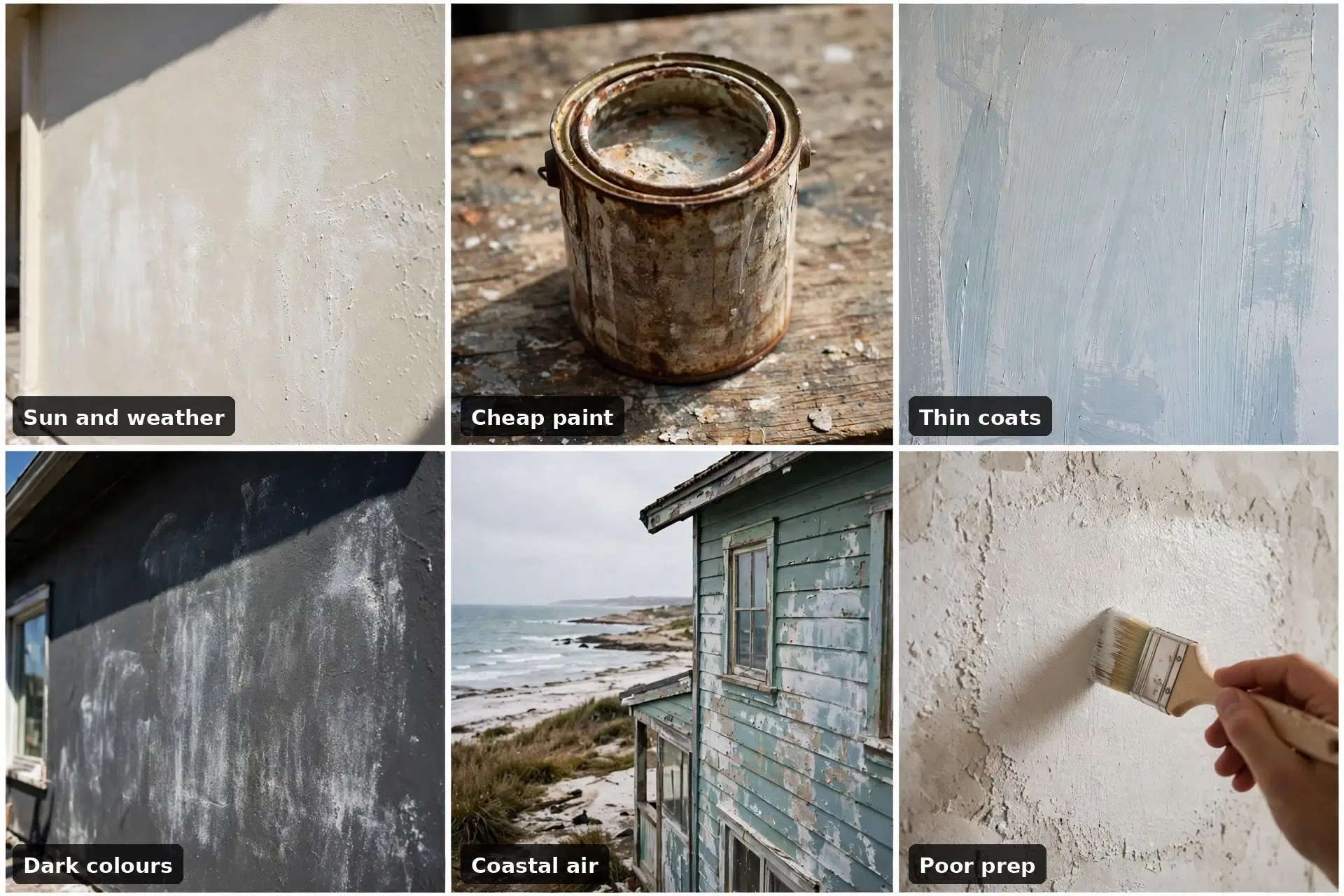
UV Light and Weather
Sunlight is the biggest cause outdoors. UV rays slowly break down the binder in the paint. Rain, heat and wind then wear away the weakened surface. The sunniest walls chalk first, which in New Zealand usually means north and west.
Cheap or Wrong Paint
Budget paints often have less quality resin and more cheap filler. The weak binder gives up quickly. Using interior paint on an outside wall causes the same problem, because interior paint is not made to handle UV and rain.
The type of paint matters too. Oil-based enamels tend to chalk and lose their shine faster outdoors than 100 percent acrylic paints.
Thin Coats
Paint protects best when it is applied at the thickness the maker intends. Rolling on one thin coat, spreading paint too far or watering it down leaves a thin film. A thin film wears through much faster, so chalking starts early.
Dark Colours and Flat Paint
Dark colours absorb more heat, which puts more stress on the paint film. Chalking is also easier to see on dark paint, because the pale powder stands out.
Flat and matt paints chalk more easily than glossier ones. White and very light paints contain a lot of titanium dioxide and fillers, which also make them chalk more readily.
Coastal Air and Temperature Swings
Salt, wind and damp air wear paint down faster. Big swings between hot days and cold nights add stress. Homes near the coast see these conditions all year.
Poor Prep or Unsealed Surfaces
Painting over dust, dirt or loose old paint stops the new coat from bonding well. Raw surfaces like new plaster and filler soak up the binder from fresh paint. That leaves a weak, powdery film on top.
Why Is My Interior Wall Chalking?
Chalking inside is less common, but it does happen. Here are the usual reasons.
- Cheap paint often has too much filler and too little resin, so the film breaks down and turns powdery.
- One thin coat is not enough. Two full coats give a much stronger film than a single quick one.
- Unsealed surfaces such as new plaster, skim coat, filler and bare brick drink the binder out of the paint. Always prime them first.
- Old layers that do not bond can cause trouble, like water-based paint over old oil paint or very old whitewash.
- Dust under the paint is a common mistake. Brushing the wall off and painting straight away leaves a weak base.
- Moisture in the wall can push salts and powder to the surface, especially on cold outside walls and in older homes.
If the powder appears in one area only, think moisture first. Our guide to paint bubbling on walls explains how damp, condensation, and steam damage paint inside a home.
Why Does the Chalk Keep Coming Back?
This is one of the most frustrating parts of chalking. You wipe it off, the wall looks fine, and a few months later the powder is back. There are four common reasons.
- Soap residue is a big one. Dish soap and some household cleaners leave a film behind, and paint does not bond well to it.
- The cause is still there. If damp, cold walls or sunlight are driving the problem, cleaning only gives you a short break.
- The wall was never sealed. Washing removes the loose powder, but without a suitable primer the surface can keep shedding.
- Some chalk was missed. Heavy chalking sometimes needs two washes before the wall is truly clean.
How to Fix Chalking Paint
Chalking cannot be reversed, but it can be cleaned off and sealed. This method works for most walls.
Step 1: Test the Wall
Do the rub test in a few places. Then press strong tape onto the paint and pull it off. If lots of paint comes away with the tape, the old coat is not sound, and you will need to scrape the loose areas back first. If it stays put, the paint underneath is still holding.
Step 2: Fix Any Moisture Problem
If the powder is patchy, crusty or keeps returning, look for damp before you do anything else. Check for leaks, blocked gutters, bad window seals and steam. Painting over a damp wall only repeats the problem.
Step 3: Wash the Wall
For inside walls, use sugar soap or a proper paint prep cleaner, then rinse with clean water and a sponge. Skip dish soap.
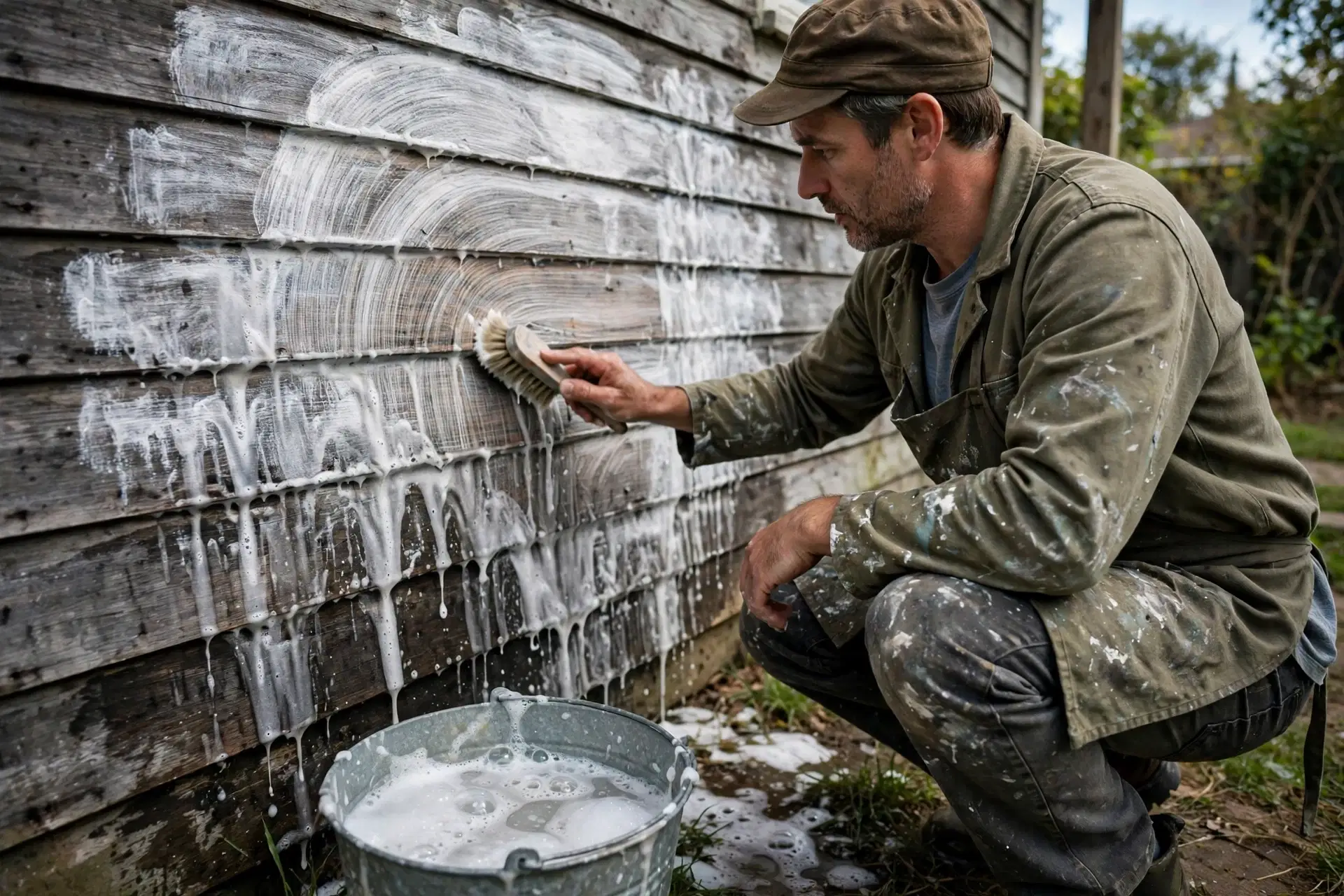
For outside walls, use a house wash or paint prep wash, such as Resene Paint Prep and Housewash. Wet the surface with fresh water first, then scrub it with a soft-bristle brush or broom. Work in sections so the cleaner does not dry on the wall.
Step 4: Rinse and Dry Fully
Rinse with plenty of clean water to remove all cleaner and loose chalk. Then let the wall dry completely. Outside, that can take a full day or more in cool, damp weather.
Step 5: Re-Test Next Day
Wait a day, then rub the wall again with a dark cloth. If powder still comes off, wash it a second time. Some walls need two rounds before they pass.
Step 6: Prime the Surface
Once the wall is clean and dry, apply a bonding primer or a sealer made for chalky or powdery surfaces. This locks down any remaining loose particles and gives your topcoat something solid to grip. Always check the product data sheet to make sure the primer suits your surface and your topcoat.
Step 7: Apply Two Quality Topcoats
Finish with two full coats of good-quality 100 percent acrylic paint. Do not thin the paint, and let each coat dry for the time on the tin. Outside, pick a paint made for exterior use.
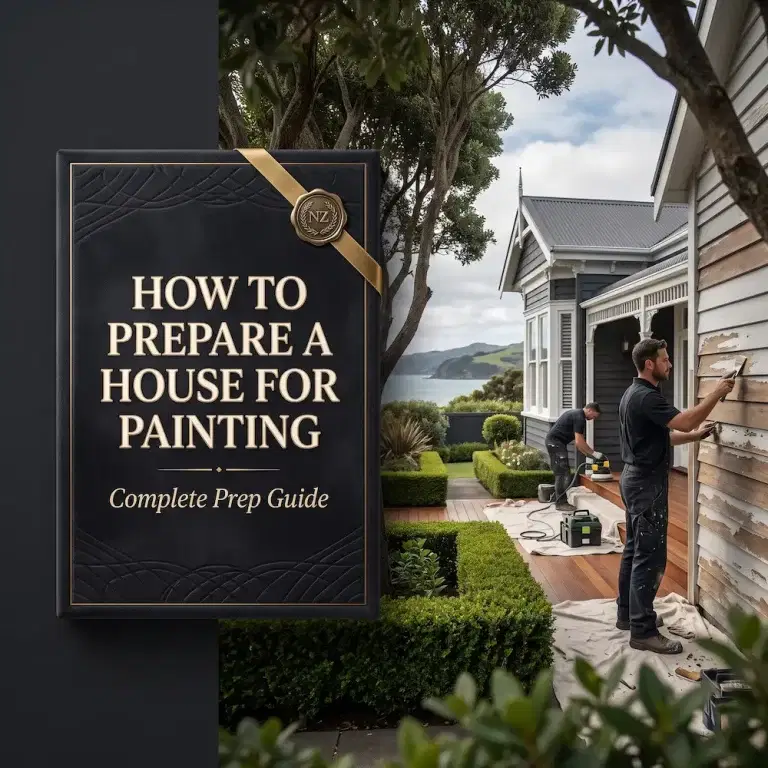
Our preparing a house for painting guide covers the full prep process in more detail.
Can You Paint Over Chalky Paint?
Not straight over it. Fresh paint bonds to the powder instead of the wall, so it will flake and peel within months. After a proper wash and the right primer, yes, you can repaint. You do not need to strip the old paint if it is sound and passes the tape test.
Which primer works? A bonding primer, sealer or stabilising primer made for chalky surfaces. Some trades use oil-based primers on stubborn chalk. Follow the data sheet for your product and make sure it works with your chosen topcoat.
When should you hold off? Wait before painting if:
- The wall is damp or has an active leak.
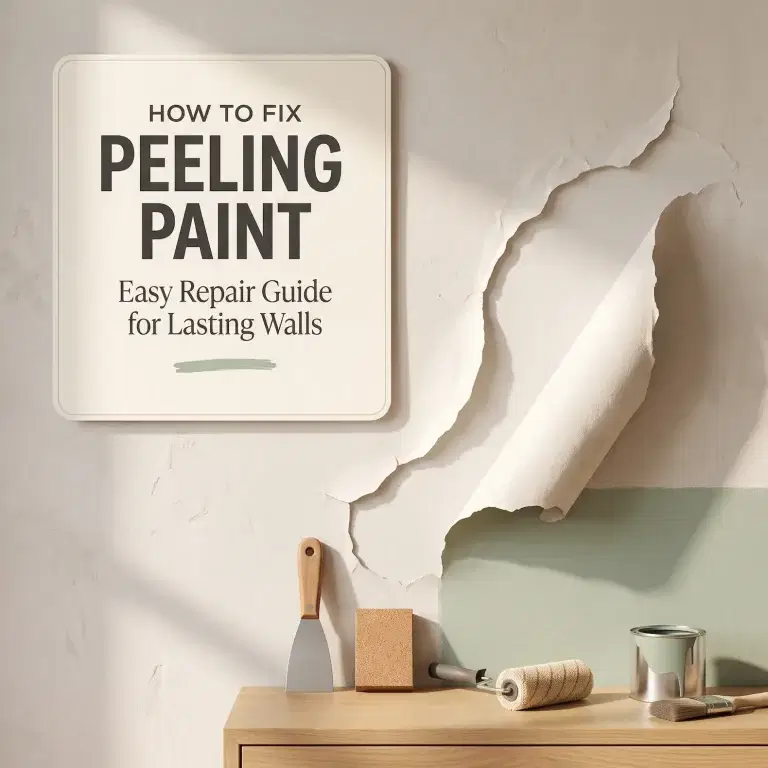
- Paint is peeling in large sheets (see our guide to fixing peeling paint).
- You are unsure whether older cladding contains asbestos.
- Chalk still comes off after two washes.
Pressure Washing, Soft Washing or Scrubbing Chalky Exteriors?
Painters often disagree on this, and the honest answer is that it depends on the wall.
Resene says washing with a house wash is usually more effective and quicker than waterblasting on weatherboards and exterior joinery. Waterblasting is more common on concrete and plaster, or when flaking paint needs to come off.
On timber, too much pressure forces water behind the boards. That causes bigger problems later. A common trade method is to soak the wall in a cleaning solution, scrub it with a soft brush, then rinse at a pressure that will not damage the surface.
Pressure washing alone can also miss chalk. Always do the rub test afterwards. For help with outside walls, see our pressure washing service in Porirua.
Safety Before You Scrub or Sand
Old paint and old cladding can carry real health risks. Take these seriously before you scrub, sand or blast.
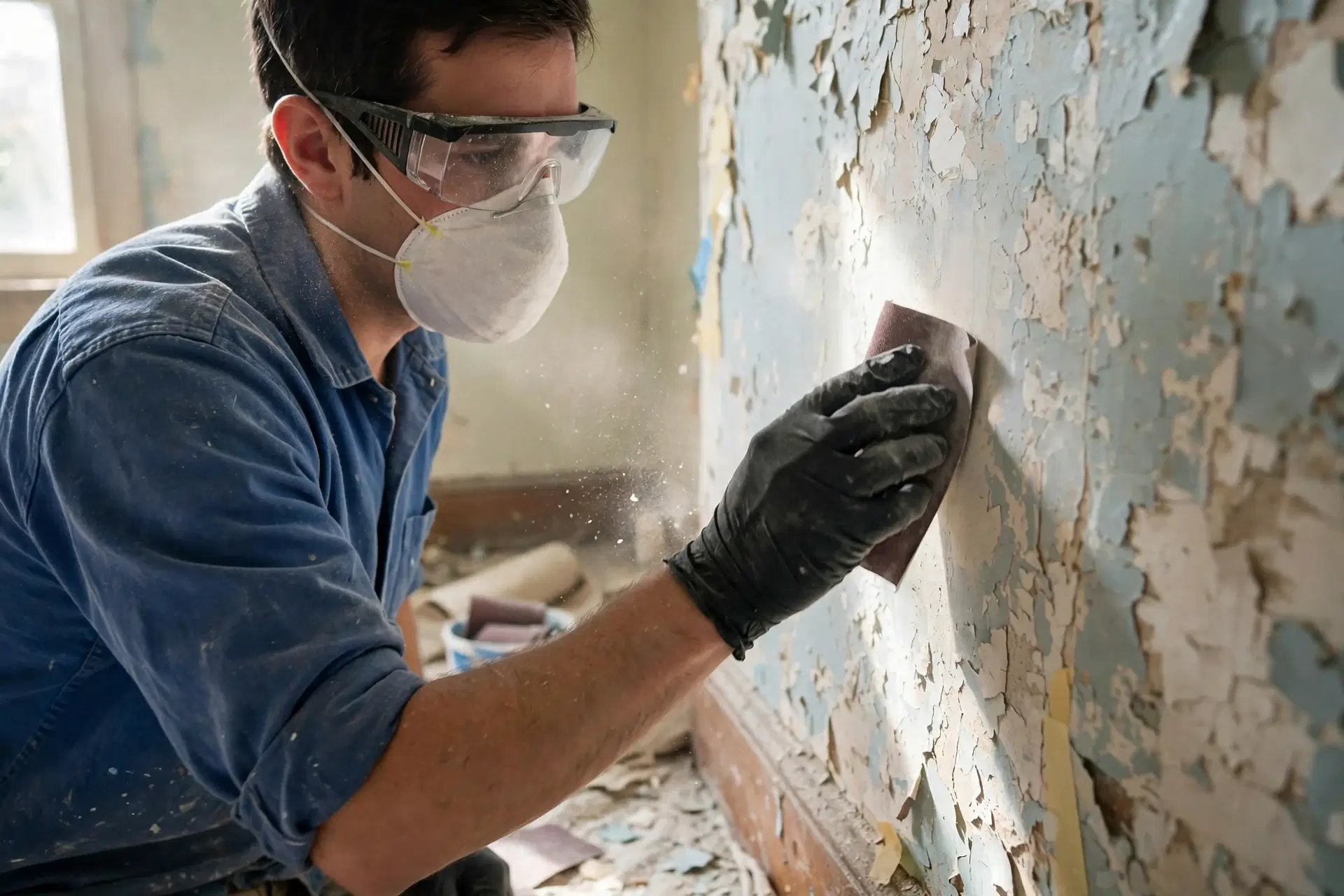
- Lead paint may be present in homes built before 1980. Test old paint before you disturb it, and never dry sand it. Use wet methods and wear the right mask.
- Asbestos can be found in older fibre cement sheets, boards and cladding. Do not scrub, sand or pressure blast these surfaces until they have been tested.
- Dust protection matters too. Wear a mask, gloves and eye protection whenever you handle chalky or old paint.
If you are unsure what is on your walls, stop and get advice first.
How to Prevent Paint Chalking
You cannot stop paint from ageing, but you can slow chalking down a lot.
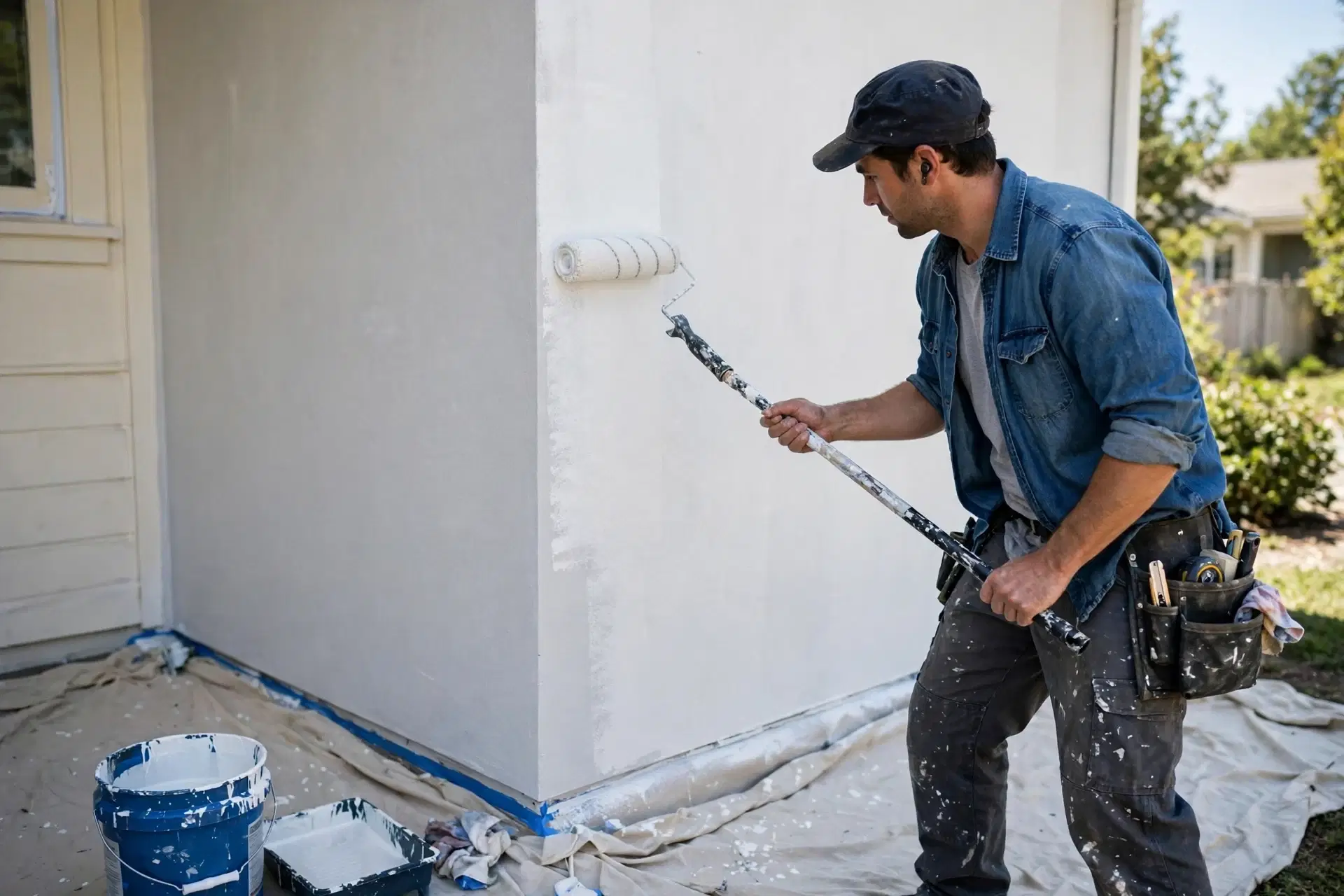
- Quality 100 percent acrylic paint holds up much better against sun and rain than cheap or oil-based paints.
- The right paint for the right place is vital, so never use interior paint on outside walls.
- Lighter or earthy colours last longer in strong sun, because they absorb less heat and use more UV-stable pigments.
- Two full coats give a thicker, tougher film. Do not water the paint down.
- Repainting on time helps too. Repaint when chalking starts, not after the paint has cracked and flaked.
- A glossier finish tends to resist weathering better than flat paint.
- A yearly wash removes salt, dirt and loose powder before they speed up wear.
Does a Paint Warranty Cover Chalking?
Often not. Many paint guarantees cover early peeling, flaking and blistering, but not chalking or fading. The reason is that weather and sun are outside the paint maker’s control. In Australia, the Dulux Weathershield guarantee works this way, so check the exact terms for the paint used on your home.
Most warranties also expect correct prep and application. That is another reason good prep matters.
Paint Chalking on Porirua and Wellington Homes
The Wellington region is tough on paint. Strong sun, salty wind and wet winters all take their toll. Homes in coastal areas like Titahi Bay, Plimmerton, Pukerua Bay and Whitby deal with salt and wind all year.
On the outside, check your north and west walls first. These get the most sun and usually chalk first.
On the inside, cool outside walls and damp winter air can cause paint problems in bedrooms and living areas. A free assessment can help you work out whether the cause is paint, moisture or both.
When to Call a Professional Painter
Light chalking on a small area is an easy weekend job. But call a professional if:
- Chalk keeps returning after you have washed and repainted, because that points to a hidden cause.
- Large areas are affected, especially a two-storey exterior that needs staging and good washing.
- You suspect damp, and need a proper check before any paint goes on.
- You want a lasting finish with proper prep, the right primer and a quality coating system.
- The home is older, and lead paint or asbestos may be present.
A good painter will test the wall, find the cause, and match the prep and paint to your surface. See our exterior painting and interior painting services for more.
Paint Chalking FAQs
What causes paint to chalk?
Paint chalks when the binder that holds the colour breaks down. Sunlight, weather, cheap paint, thin coats and poor prep are the main causes. Moisture in the wall can also cause powder to form on interior walls.
Is paint chalking normal?
Yes, a little chalking is a normal part of paint ageing, especially outside. Heavy chalking is not normal and means the paint film is wearing thin. It is time to wash and repaint.
Can you paint over chalking paint?
Not straight over it. Fresh paint will not stick to loose powder and will peel. Wash the wall, let it dry, check it with the rub test, prime it, then repaint.
Why does the chalk keep coming back after I wipe it?
The powder returns if the cause is still there. Common reasons are soap residue, damp in the wall, an unsealed surface or chalk that was missed. Wash with the right cleaner, fix any moisture and use a suitable primer.
Can I clean chalky walls with dish soap?
It is best to avoid it. Dish soap can leave a film that stops new paint from bonding. Use sugar soap or a paint prep cleaner, then rinse well with clean water.
How long should I wait to see if the chalk is gone?
Wait about a day after washing, then do the rub test again. If powder still comes off, wash the wall once more before you prime.
Is the white powder on my wall mould?
Usually not. Mould is dark or fuzzy and often smells musty, while chalk is a dry white powder. If you are unsure, do the rub test and look for damp. Treat mould before you paint.
Does pressure washing remove chalking?
It can remove some of it, but it often misses chalk and can damage timber if the pressure is too high. A wash with a soft brush and a proper cleaner is usually safer. Always check with the rub test afterwards.
Is chalking the same as fading?
No, but they often happen together. Fading is colour loss, while chalking is the loose powder left when the binder breaks down. See our guide to house paint fading for more.
Need Help With Chalking Paint in Porirua?
If your walls are chalky, dull or leaving white powder on your hands, do not wait for the paint to start peeling. Fixing it early saves time, money and a lot of scraping later.
At Capital Painting Services, we help homeowners across Porirua, Whitby and the wider Wellington region fix paint problems properly. With 10 years of trade experience, we test the surface, find the cause, prepare the walls and use coatings that stand up to local weather.
Contact our team today for a free on-site assessment and quote, or call 022 071 5878.