
Professional Butynol Coating in Porirua
Is your Butynol roof or deck losing its finish, showing signs of fading, or feeling due for some attention? Capital Painting Services provides Butynol coating and Butynol painting in Porirua, helping homeowners protect one of the most common flat roof and deck membranes used across New Zealand homes.
Butynol has been used across New Zealand for more than 40 years, valued for being flexible, durable, and well suited to local conditions. But like any exterior surface, it needs proper care over time to keep performing the way it should. A well applied coating protects the membrane from UV damage and helps it last as long as possible, without the cost of a full replacement.
Whether you’re maintaining a roof that’s still in good condition or you’re not sure if it’s time for a recoat, we’ll assess it honestly and explain exactly what your Butynol needs.
What Is Butynol Roofing?
Butynol is a synthetic rubber membrane that’s been used on New Zealand homes since the 1970s, particularly on flat or low pitched roofs and decks where traditional roofing materials don’t work as well. A well maintained Butynol roof can last anywhere from 15 to 25 years, depending on sun exposure, installation quality, and how well it’s been looked after over time.
You’ll often find Butynol on older Wellington homes, particularly on flat sections like garage roofs, balconies, and decks. Because it’s a membrane rather than a hard surface like tile or metal, it behaves differently to other roofing materials, both in how it wears and in how it needs to be maintained.
Reviews By Our Customers




Why Butynol Needs the Right Coating, Not Just Any Paint
Butynol isn’t a rigid surface, it flexes and moves slightly with temperature changes and building movement. This means it needs a coating designed to move with it. Using a standard paint not suited to the membrane can affect its flexibility, and in some cases can even void a manufacturer’s warranty if the wrong product is applied.
This is one of the most important things to get right with Butynol coating. It’s not simply a matter of picking any exterior paint and applying it, the product needs to be compatible with the membrane itself, so it protects the surface without compromising how it performs.
Why Coating Your Butynol Roof Matters
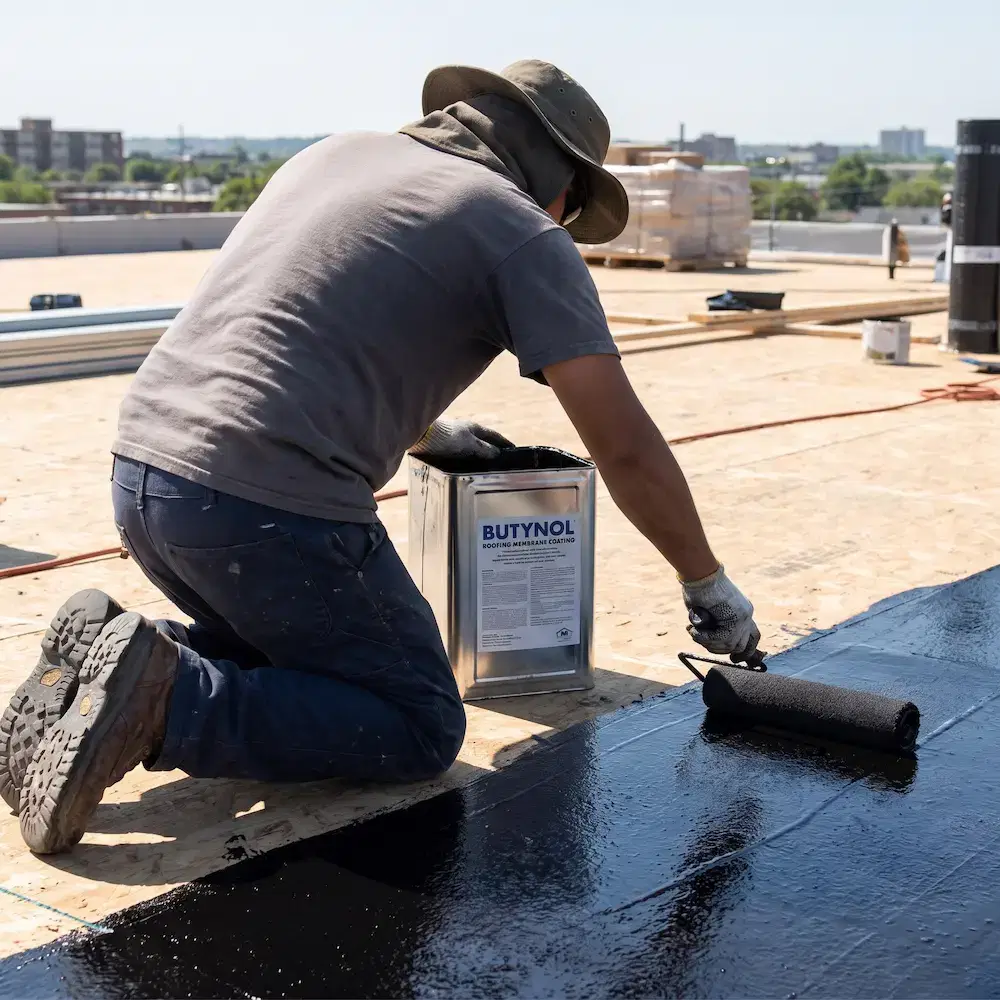
A properly coated Butynol roof gives the membrane increased longevity by helping prevent UV rays from breaking it down over time. Sun exposure is one of the main reasons Butynol eventually fades, hardens, or loses its protective qualities, and a good coating slows that process significantly.
Beyond protection, coating is also one of the more cost effective ways to extend the life of a roof or deck. Recoating an existing Butynol membrane is generally far less expensive and disruptive than a full replacement, and can add several more years of service life to a roof that’s otherwise structurally sound.
Our Butynol Coating Process
Free Onsite Assessment
We check the condition of your Butynol roof or deck, looking for fading, chalking, ponding water, or any signs of underlying damage, so we know exactly what it needs.
Free, Detailed Quote
You get a firm price based on what we find, not a rough guess that changes once we start.
Gentle Cleaning
Butynol needs a careful approach when it comes to cleaning. We use a gentle, low pressure method rather than standard water blasting, since high pressure can damage the membrane and strip existing protection.
Coating Application
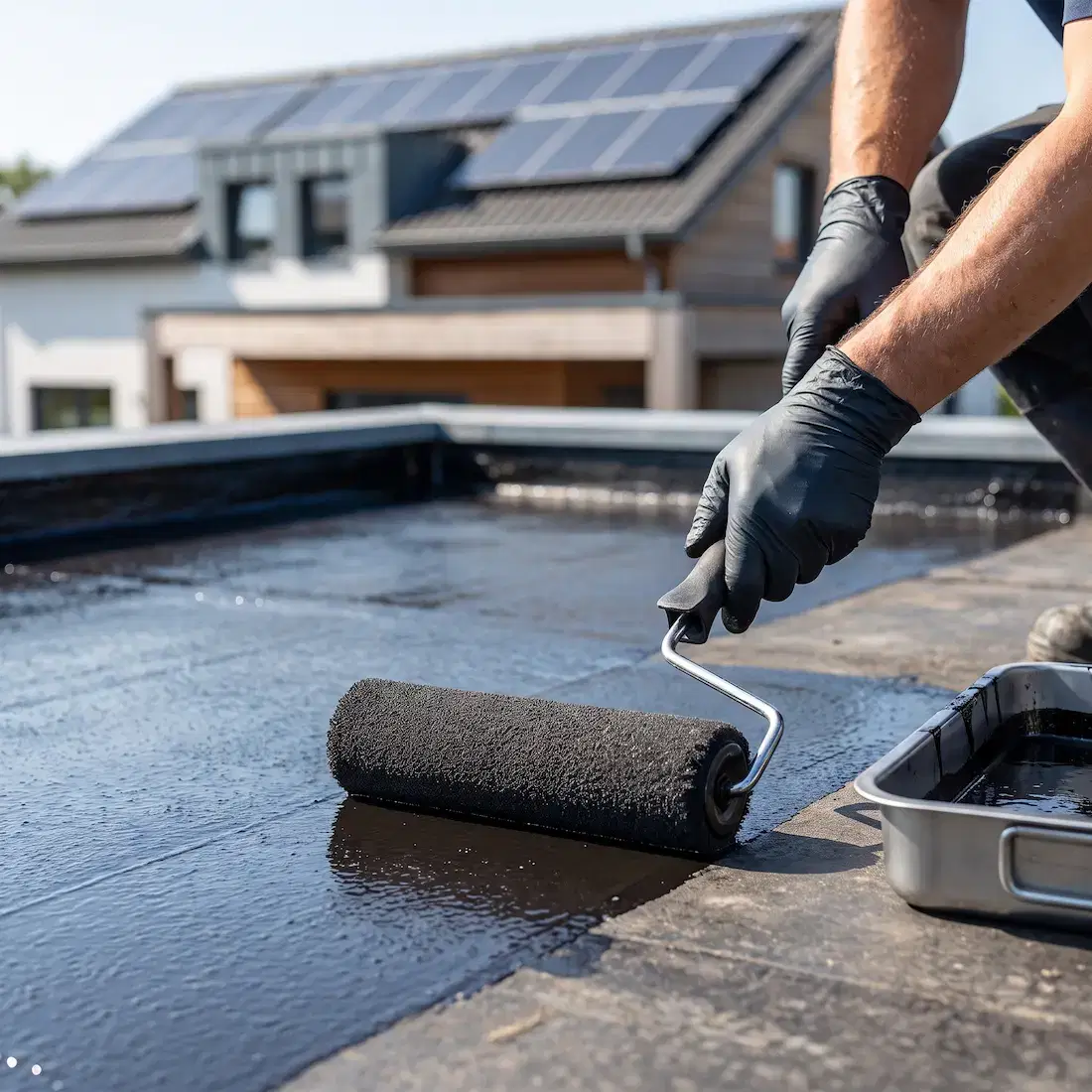
We apply a coating suited specifically to Butynol, chosen for its flexibility and compatibility with the membrane, giving it renewed UV protection and a refreshed finish.
Final Check
Once finished, we check the coated surface with you to confirm everything’s been properly covered before calling the job done.
Why Choose Capital Painting Services for Butynol Coating in Porirua
Getting Butynol coating wrong can genuinely affect how well the membrane performs, so it’s worth having a team that understands the material properly. Here’s what you can expect working with Capital Painting Services:
What Coating Can and Can’t Fix
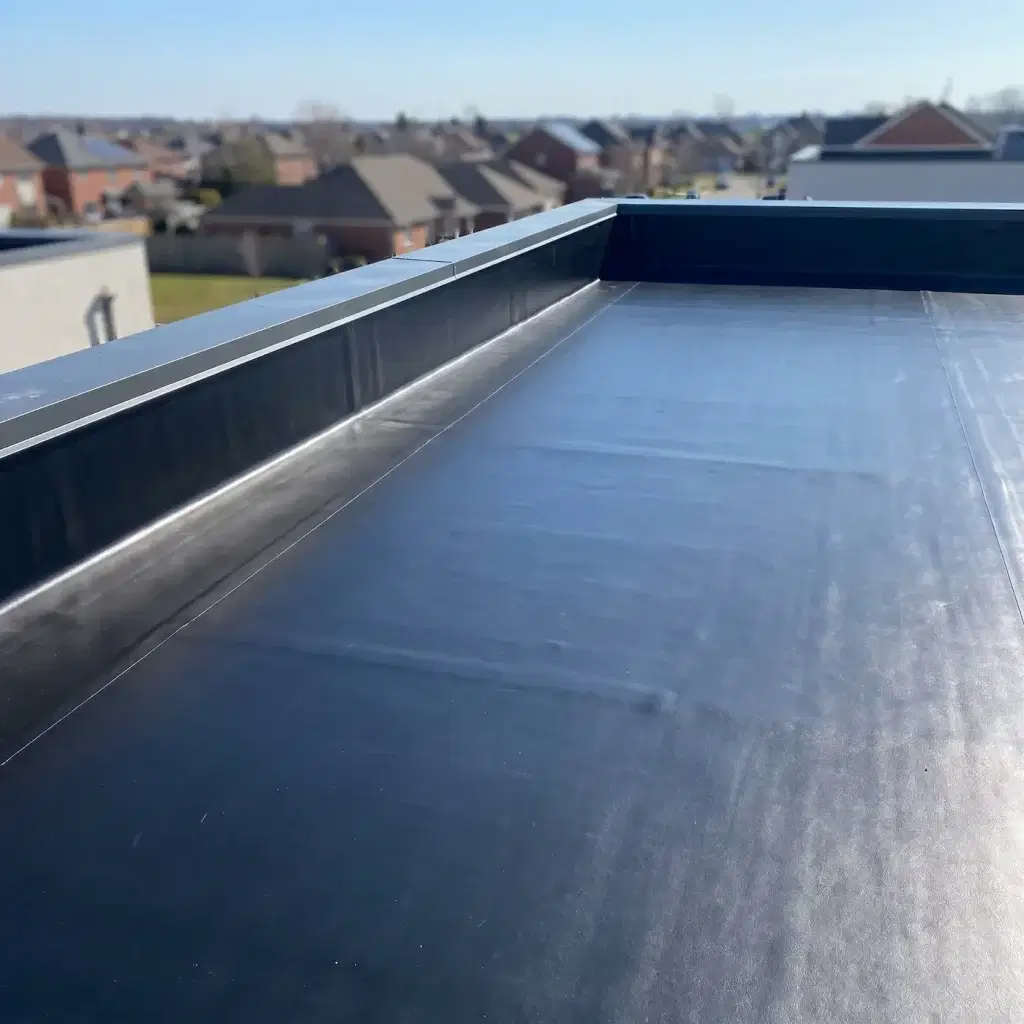
It’s worth being upfront about this. A proper coating protects Butynol from UV damage and extends its working life, but it isn’t a fix for every issue a roof might have. Problems like failed seams, adhesive issues, or damage to the substrate underneath the membrane are structural in nature, and coating alone won’t resolve them. If your roof has visible leaks, lifting edges, or damage beyond surface wear, that’s usually a sign it needs a proper inspection rather than just a recoat. We’ll always be honest with you about what a coating can genuinely achieve, rather than recommending it as a fix for a problem it won’t solve.
Signs Your Butynol Roof Needs Recoating
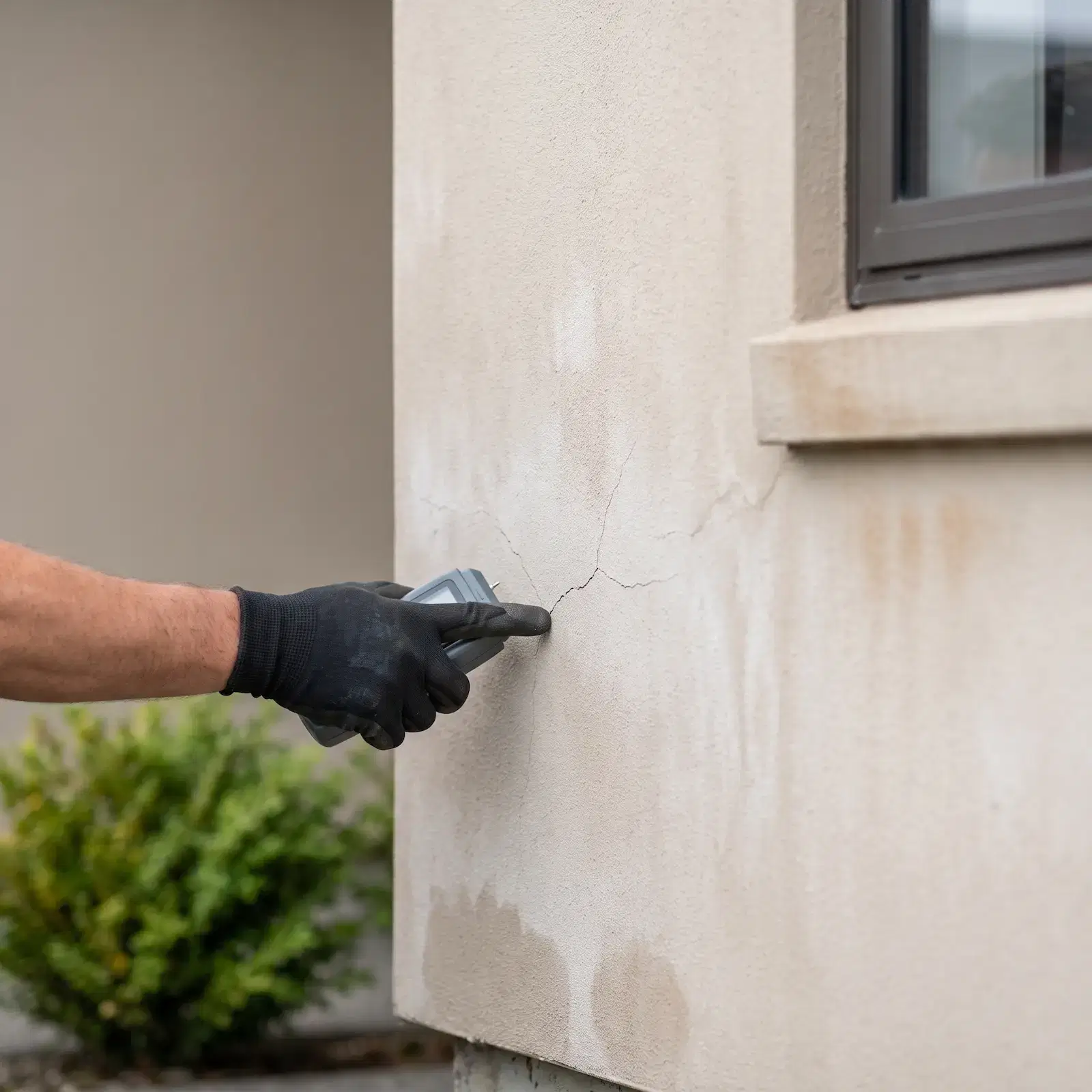
A few things worth checking for if you’re not sure whether your Butynol roof or deck is due for attention. As a general rule, most Butynol roofs benefit from a proper inspection once a year, so if it’s been longer than 12 months since anyone last checked yours, that’s a good starting point.
Butynol Coating FAQs
Ready to Protect Your Butynol Roof?
If your Porirua home has a Butynol roof or deck that’s due for attention, we’re happy to come take a look. You’ll get a free onsite assessment, an honest explanation of what it actually needs, and a firm quote with no hidden surprises.
Call us today to get started.